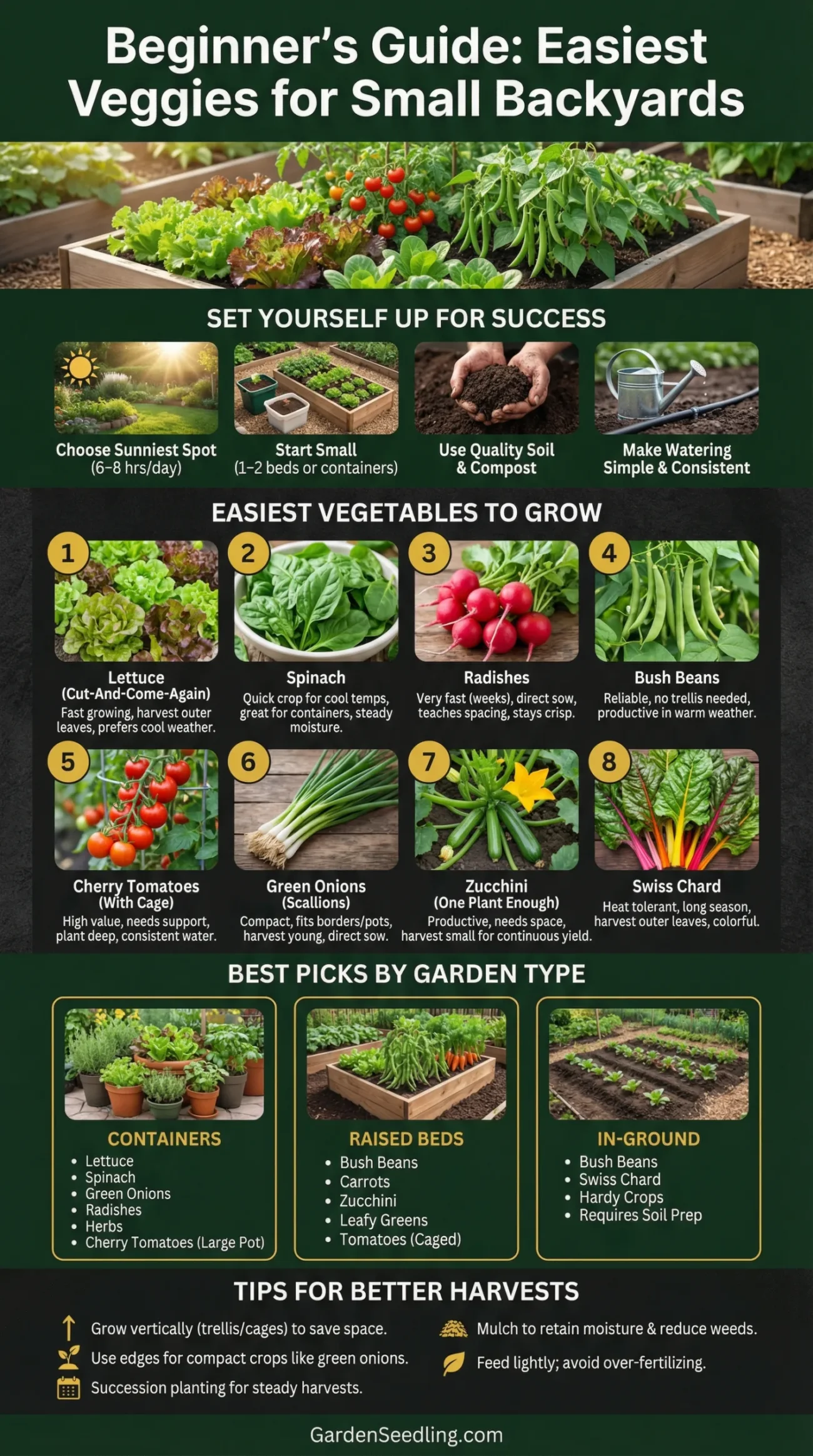
If you’re new to gardening, a small backyard can still produce a surprisingly good harvest. The key is choosing crops that are forgiving, quick to grow, and easy to manage in tight spaces. This guide focuses on the easiest vegetables to grow in a small backyard for beginners, plus simple setup tips so you can get results without overcomplicating things.
- Quick Answer: The Best Beginner Vegetables For A Small Backyard
- What “Easy” Really Means For Beginner Gardeners
- Small Backyard Basics: Set Yourself Up For Success
- Choose The Sunniest Spot You Have
- Start With One Or Two Beds (Or A Few Containers)
- Use Quality Soil (It Matters More Than Fancy Tools)
- Make Watering Simple
- Easiest Vegetables To Grow In A Small Backyard For Beginners
- Lettuce (Cut-And-Come-Again)
- Spinach
- Radishes
- Bush Beans (Not Pole Beans)
- Cherry Tomatoes (With A Cage Or Stake)
- Zucchini (One Plant Is Often Enough)
- Green Onions (Scallions)
- Carrots (Short Or “Nantes” Types)
- Peppers (One Or Two Compact Plants)
- Best Picks By Garden Type
- If You’re Using Containers
- If You’re Using A Raised Bed
- If You’re Planting In-Ground
- Comparison Table: Easy Vegetables For Small Backyards
- Step-By-Step: A Simple Beginner Plan For A Small Backyard Vegetable Garden
- Common Mistakes Beginners Make (And How To Avoid Them)
- Planting Too Much At Once
- Underestimating Plant Size
- Inconsistent Watering
- Skipping Support For Tomatoes
- Ignoring Timing For Cool-Season Crops
- Practical Tips To Get Better Harvests In Less Space
- FAQ
- What Is The Easiest Vegetable To Grow In A Small Backyard?
- How Much Sun Do Beginner Vegetables Need?
- Can I Grow Vegetables If My Backyard Is Mostly Shade?
- Should Beginners Start From Seed Or Buy Seedlings?
- What Size Container Do I Need For Tomatoes And Peppers?
Quick Answer: The Best Beginner Vegetables For A Small Backyard
For most beginners, the easiest wins come from crops that don’t need special care and bounce back from minor mistakes. Start with leafy greens (lettuce, spinach), radishes, bush beans, zucchini (if you have a little room), cherry tomatoes (with a cage), green onions, and herbs like basil and parsley. These grow well in small beds or containers and help you learn the basics fast.
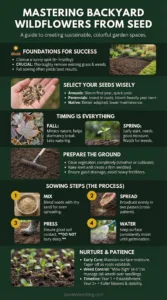
What “Easy” Really Means For Beginner Gardeners
“Easy” vegetables share a few traits: they sprout reliably, grow fast, and don’t demand perfect timing. They also handle small-space setups like raised beds, fabric grow bags, or containers. If a plant needs exact temperature control, constant pruning, or long seasons, it’s usually not the best first choice.
Want the simplest path? Pick vegetables that are either direct-sow (seeded right in the soil) or easy transplants that don’t mind beginner-level care. You’ll spend less time troubleshooting and more time harvesting.
Small Backyard Basics: Set Yourself Up For Success
Choose The Sunniest Spot You Have
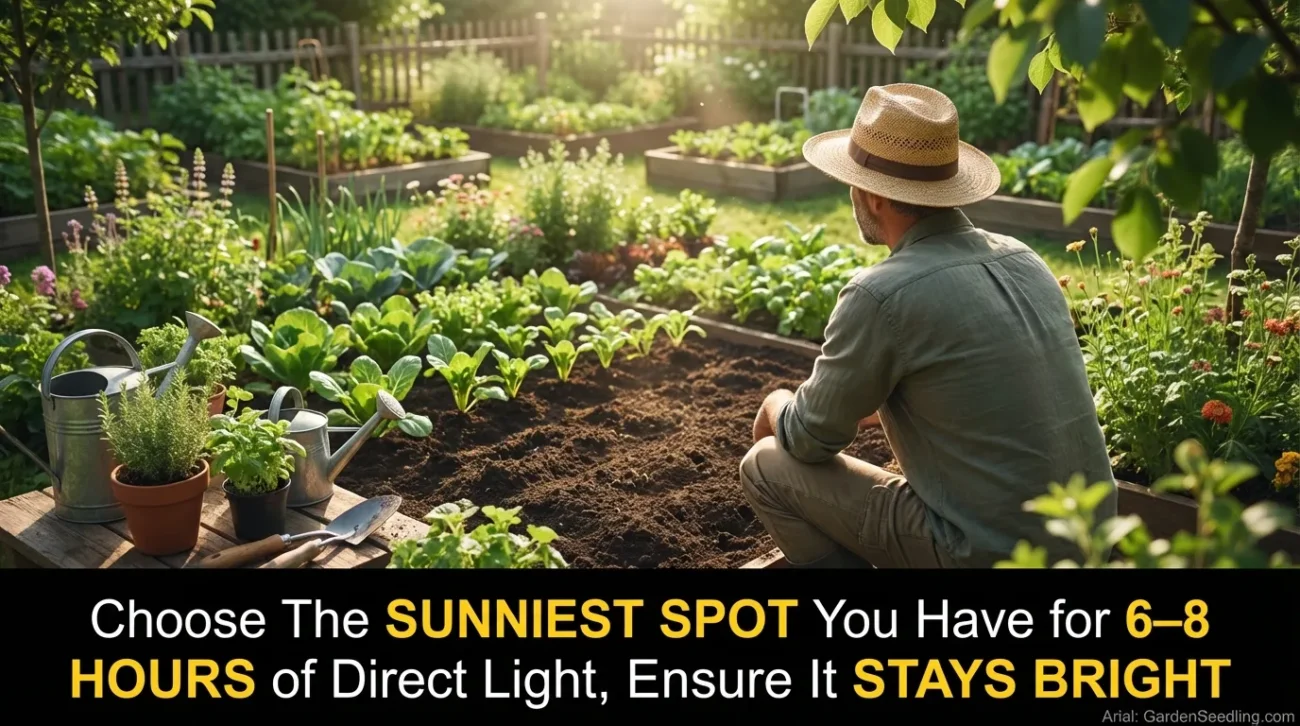
Most vegetables grow best with 6–8 hours of sun per day. If your yard has partial shade, you can still grow leafy greens, green onions, and some herbs well. Before you plant, watch where sunlight falls and choose a spot that stays bright through midday.
Start With One Or Two Beds (Or A Few Containers)
Beginner gardens do better when they stay manageable. A single raised bed, a small in-ground patch, or 4–8 containers is enough to learn watering, feeding, and pest checks. A smaller setup also helps you avoid overwhelm, which is one of the biggest reasons new gardens get abandoned.
Use Quality Soil (It Matters More Than Fancy Tools)
In small spaces, soil quality is your biggest advantage. For raised beds and containers, use a fresh vegetable-friendly mix and add compost if you have it. In-ground, loosen the soil and work in compost to improve drainage and root growth.
Make Watering Simple
Consistent moisture keeps plants growing steadily and prevents issues like bitter greens or split tomatoes. Water deeply when the top inch of soil feels dry. A basic watering wand, a soaker hose, or a simple drip line can help you stay consistent without spending every evening with a hose.
Easiest Vegetables To Grow In A Small Backyard For Beginners
Lettuce (Cut-And-Come-Again)
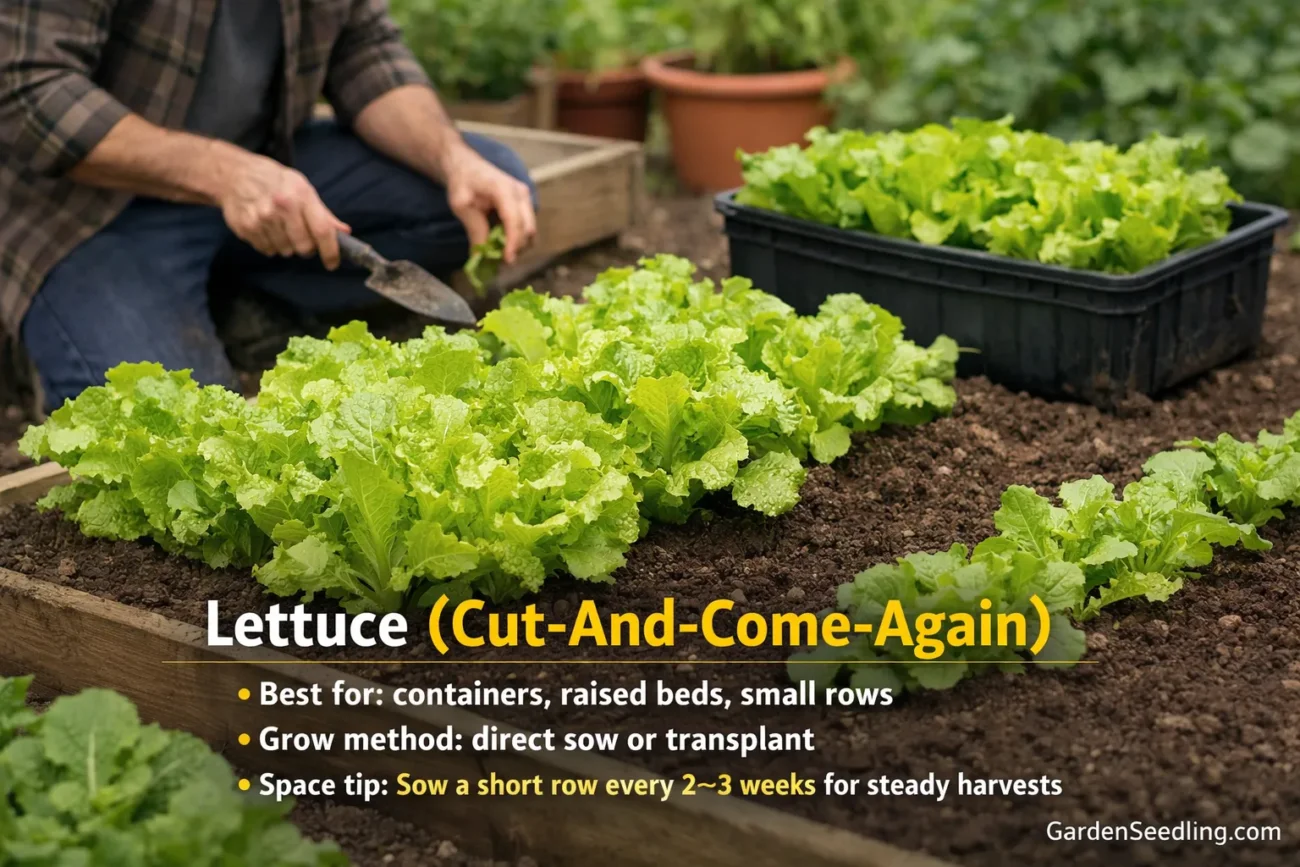
Lettuce is a top pick for small space vegetable gardening because it grows quickly and doesn’t require deep soil. Choose loose-leaf types and harvest the outer leaves while the plant continues to grow. Lettuce prefers cooler weather and can handle some shade, making it very beginner-friendly.
- Best for: containers, raised beds, small rows
- Grow method: direct sow or transplant
- Space tip: sow a short row every 2–3 weeks for steady harvests
Spinach
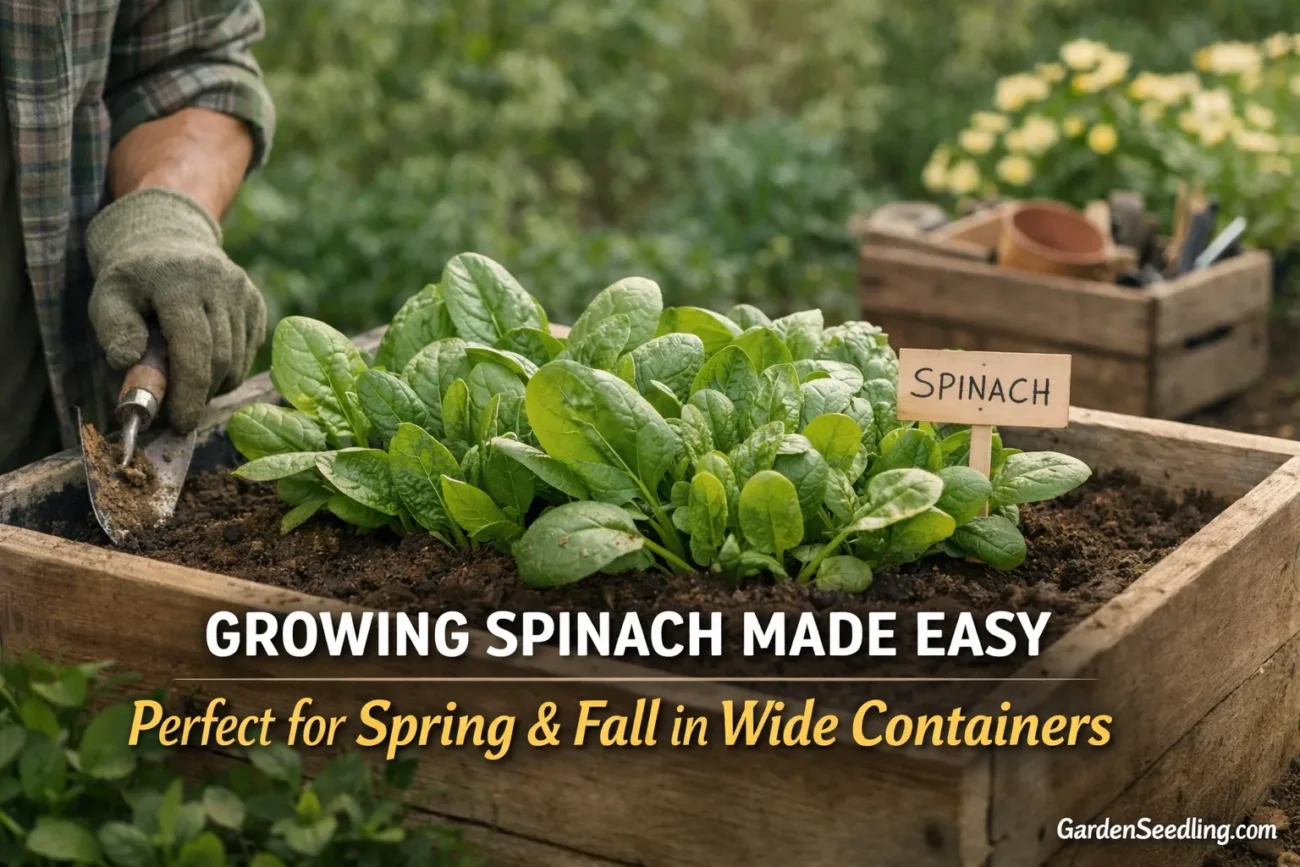
Spinach is another easy, fast crop that fits small gardens well. It likes cool temperatures and steady moisture. If hot weather arrives, spinach may bolt (flower), but that’s normal and not a “failure.” For beginners, spinach is a great way to practice timing without big consequences.
- Best for: spring and fall planting
- Grow method: direct sow
- Space tip: grow in a wide container for easy harvesting
Radishes
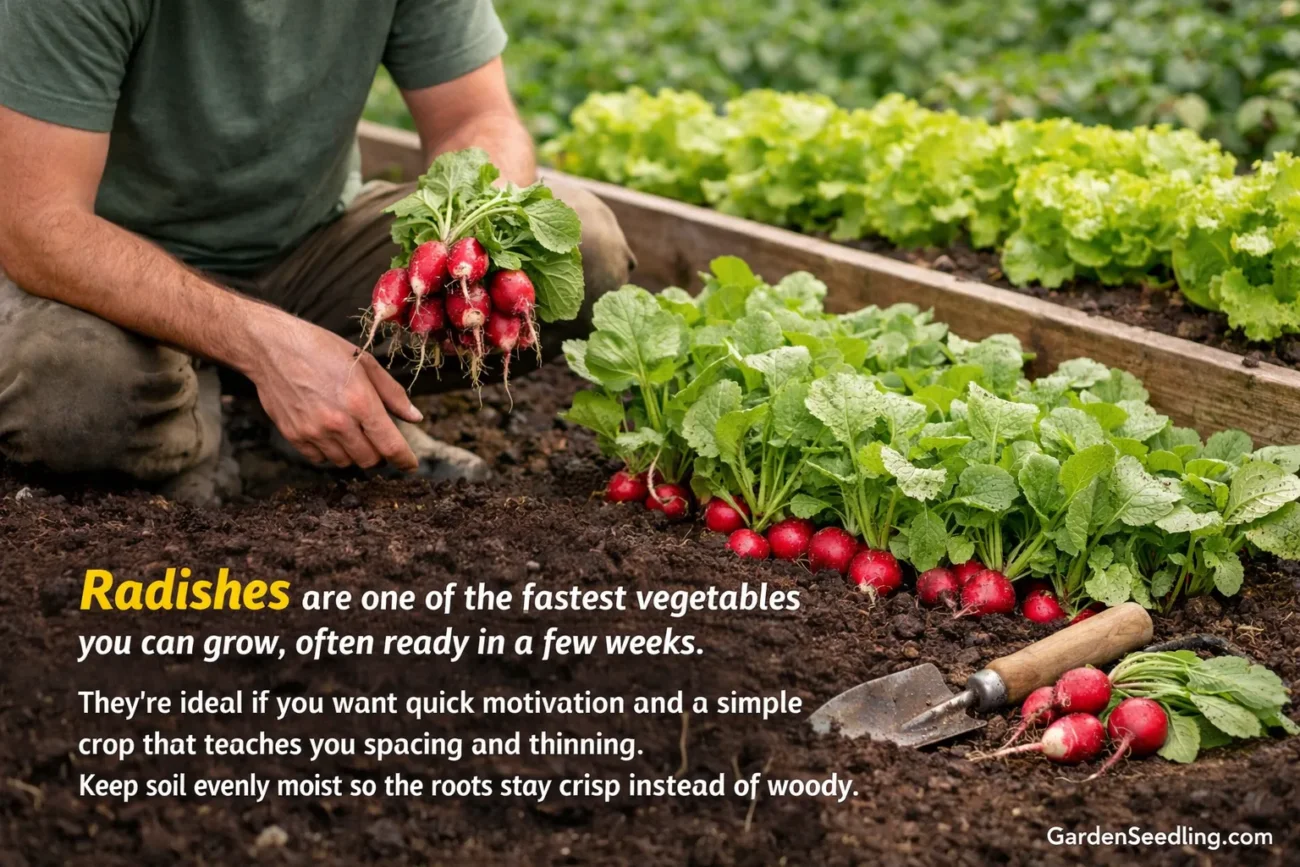
Radishes are one of the fastest vegetables you can grow, often ready in a few weeks. They’re ideal if you want quick motivation and a simple crop that teaches you spacing and thinning. Keep soil evenly moist so the roots stay crisp instead of woody.
- Best for: direct sow in beds or containers
- Grow method: direct sow only
- Space tip: plant between slower crops to use gaps efficiently
Bush Beans (Not Pole Beans)
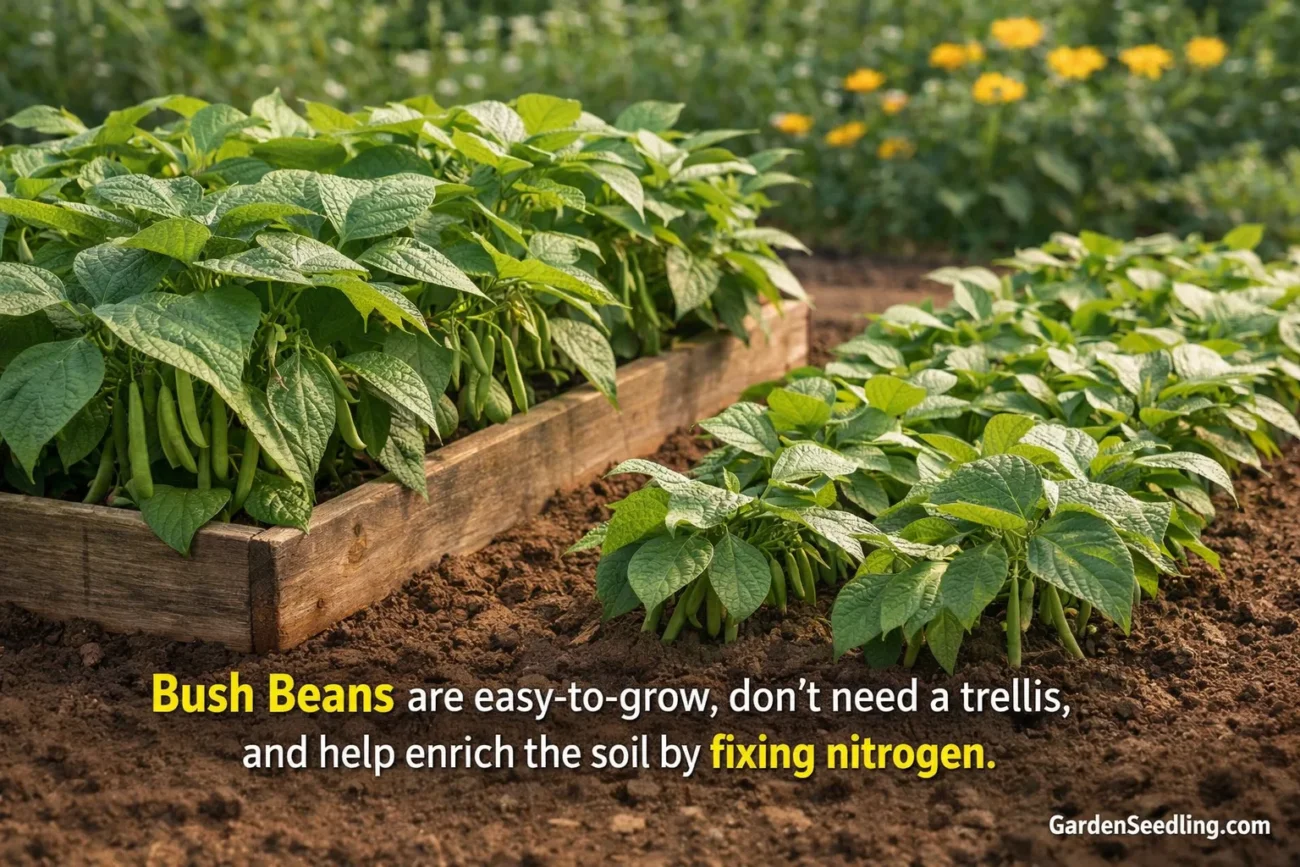
Bush beans are reliable, low-maintenance vegetables that don’t need a trellis. They produce well in warm weather and can be planted in short rows or blocks. Beans also improve soil over time because they work with soil microbes that support nitrogen balance.
- Best for: raised beds and in-ground
- Grow method: direct sow after danger of frost
- Space tip: plant in a small block for easier harvesting
Cherry Tomatoes (With A Cage Or Stake)
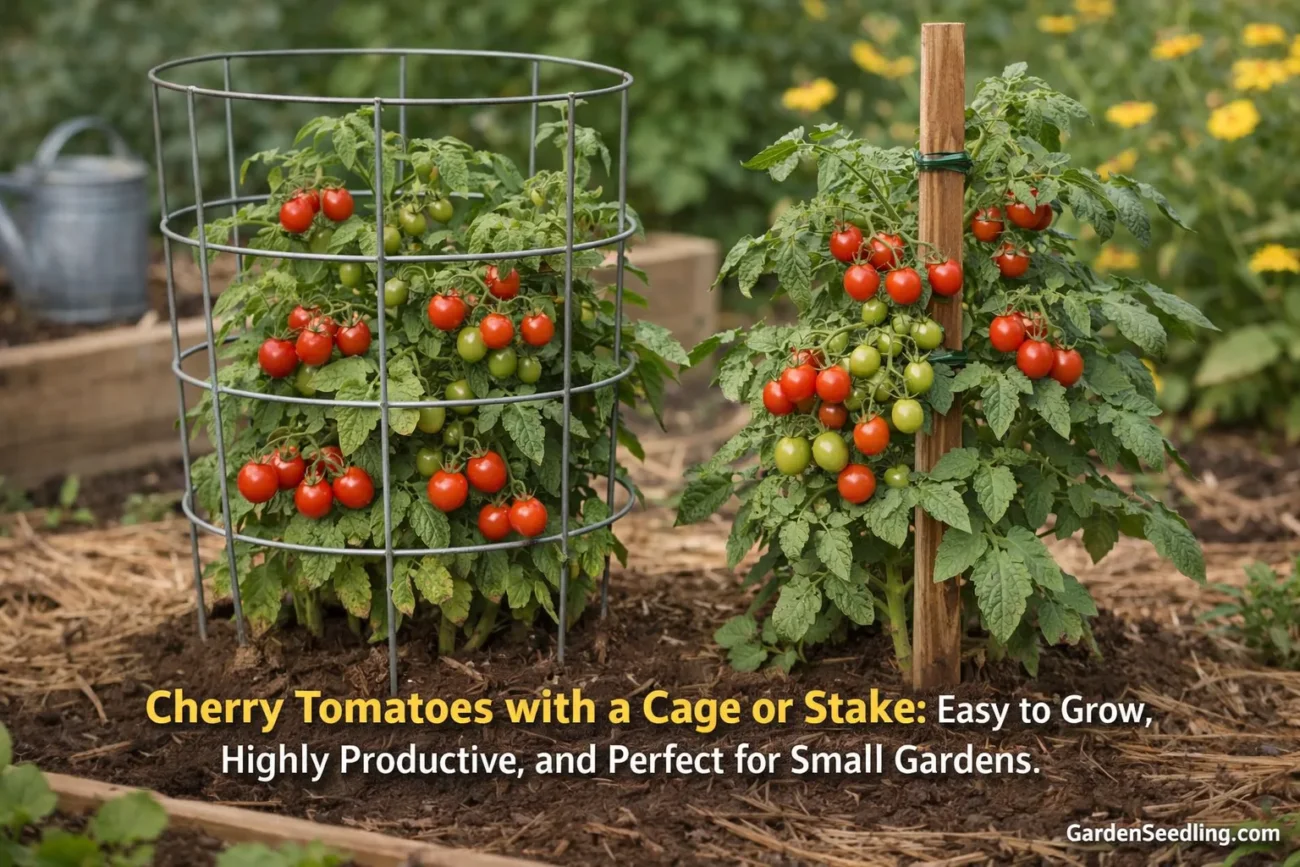
Tomatoes are popular for a reason, and cherry types tend to be easier than large slicing tomatoes. Choose a strong cage or stake early and keep watering consistent. A single healthy plant can produce a lot, which makes it a high-value crop for a small backyard.
- Best for: containers (5+ gallons) or raised beds
- Grow method: transplant
- Space tip: one plant per container; don’t crowd them
Zucchini (One Plant Is Often Enough)
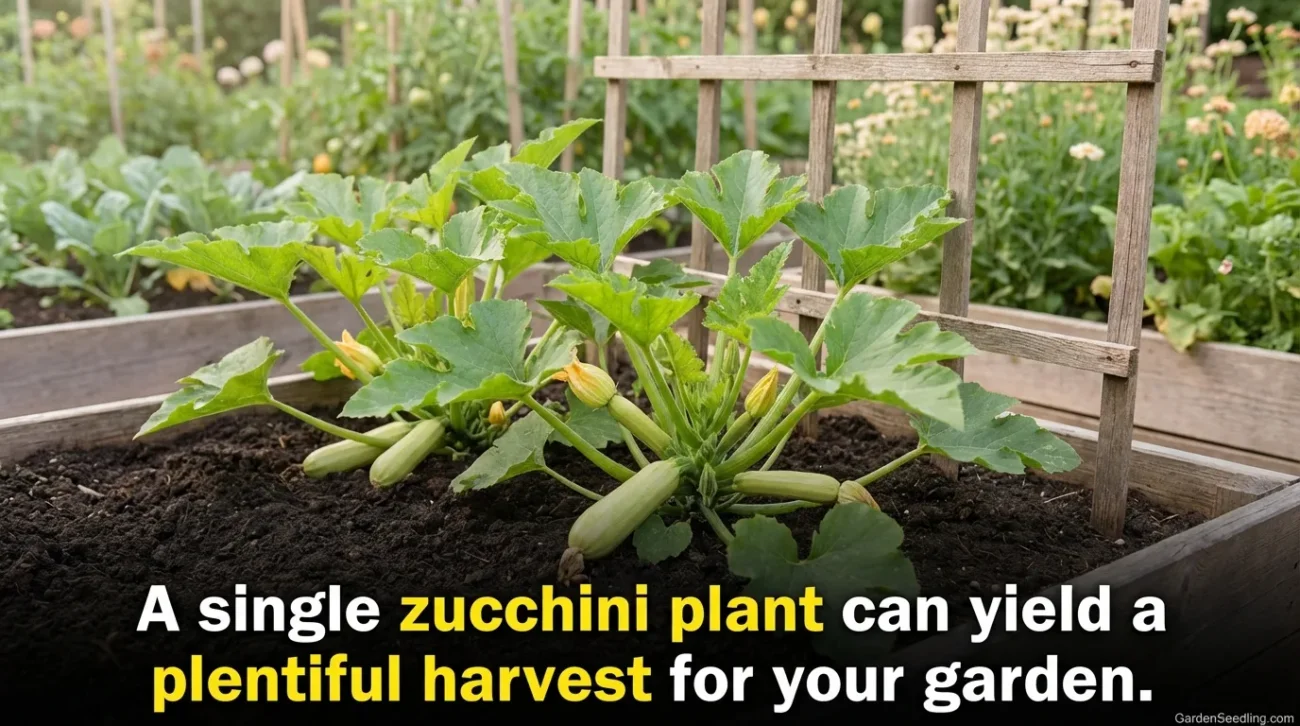
Zucchini is easy and productive, but it needs a bit more space than leafy greens. If you can spare room, one plant can supply plenty. Harvest while fruits are small to keep the plant producing. How many vegetables give you that much food from a single plant?
- Best for: in-ground or raised beds
- Grow method: direct sow or transplant
- Space tip: consider a trellis to grow upward and save space
Green Onions (Scallions)
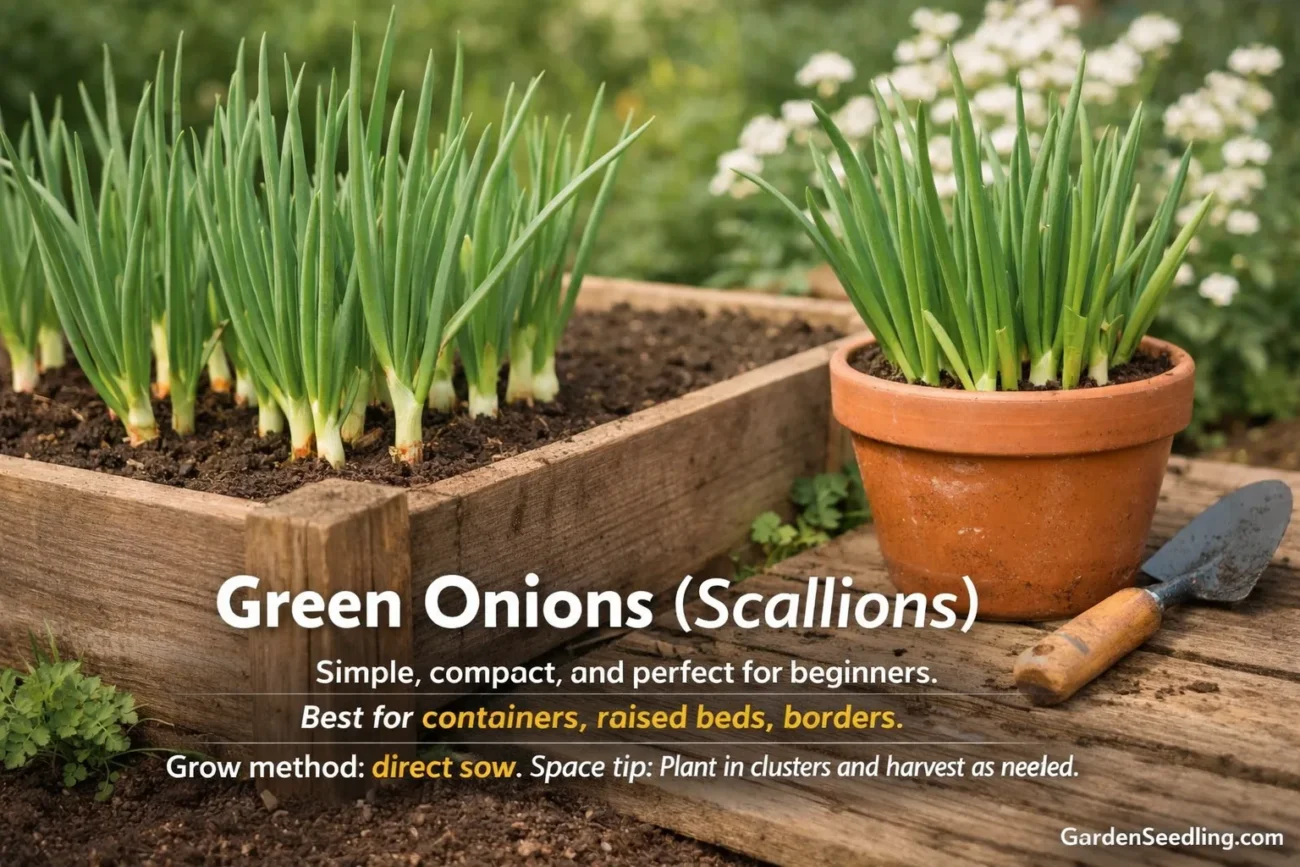
Green onions are simple, compact, and great for beginners because they don’t demand perfect soil. You can harvest them young, and they fit well along bed edges. They also work nicely in containers, making them a practical choice for tiny areas.
- Best for: containers, raised beds, borders
- Grow method: direct sow
- Space tip: plant in clusters and harvest as needed
Carrots (Short Or “Nantes” Types)
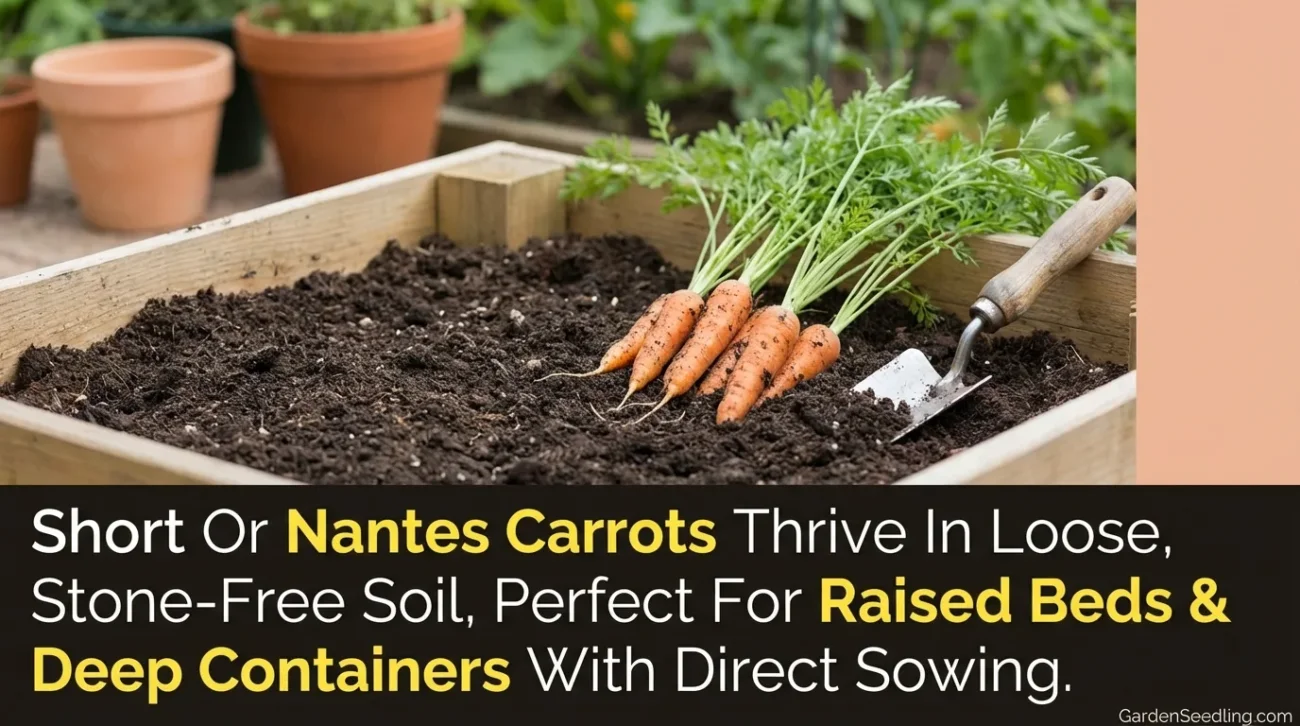
Carrots can be easy if your soil is loose and stone-free. In heavy soil, they may fork, but they still taste fine. Choose shorter varieties for containers or raised beds. Carrots reward steady care and patience without constant maintenance.
- Best for: raised beds, deep containers
- Grow method: direct sow
- Space tip: keep the seedbed consistently moist until sprouting
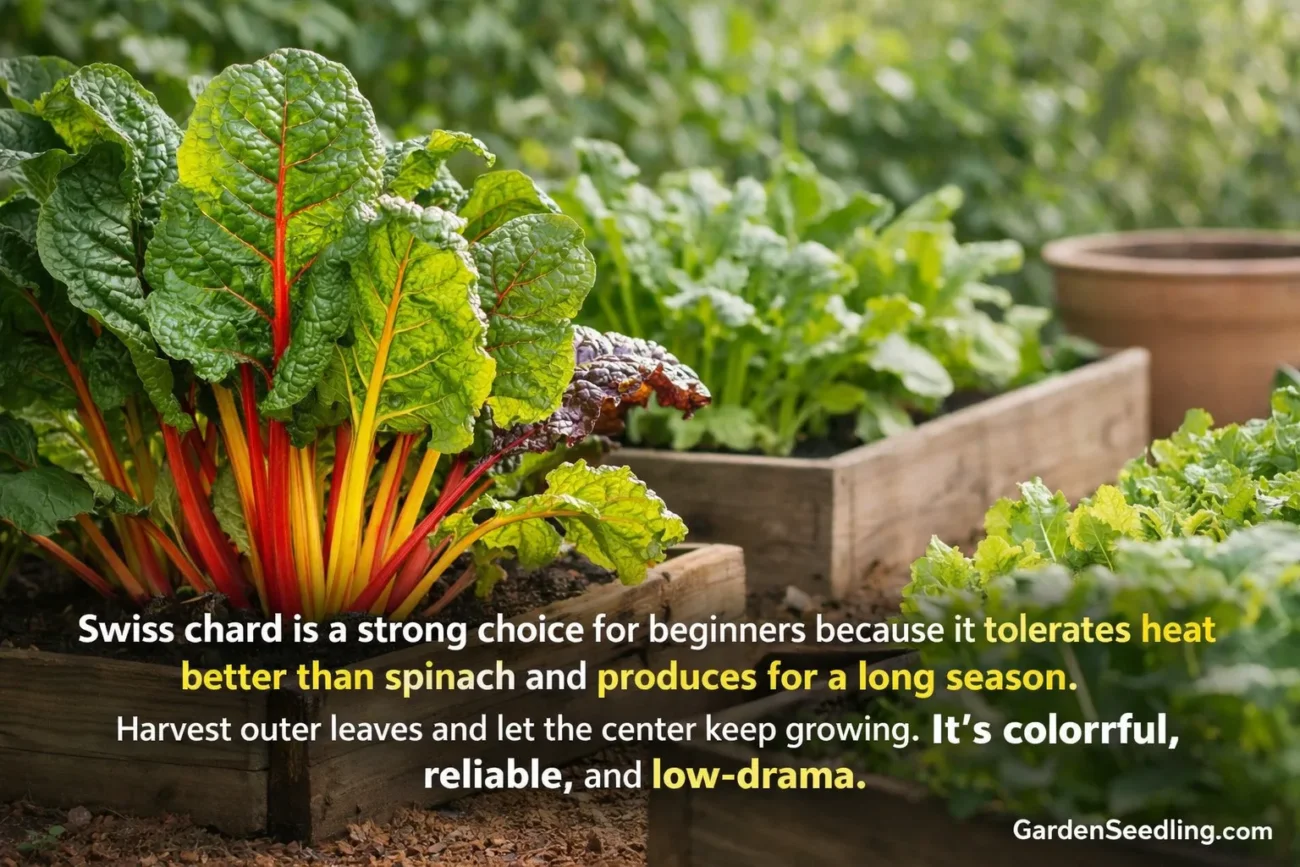
Swiss chard is a strong choice for beginners because it tolerates heat better than spinach and produces for a long season. Harvest outer leaves and let the center keep growing. It’s colorful, reliable, and low-drama.
- Best for: beds and containers
- Grow method: direct sow or transplant
- Space tip: a few plants provide steady greens for weeks
Peppers (One Or Two Compact Plants)
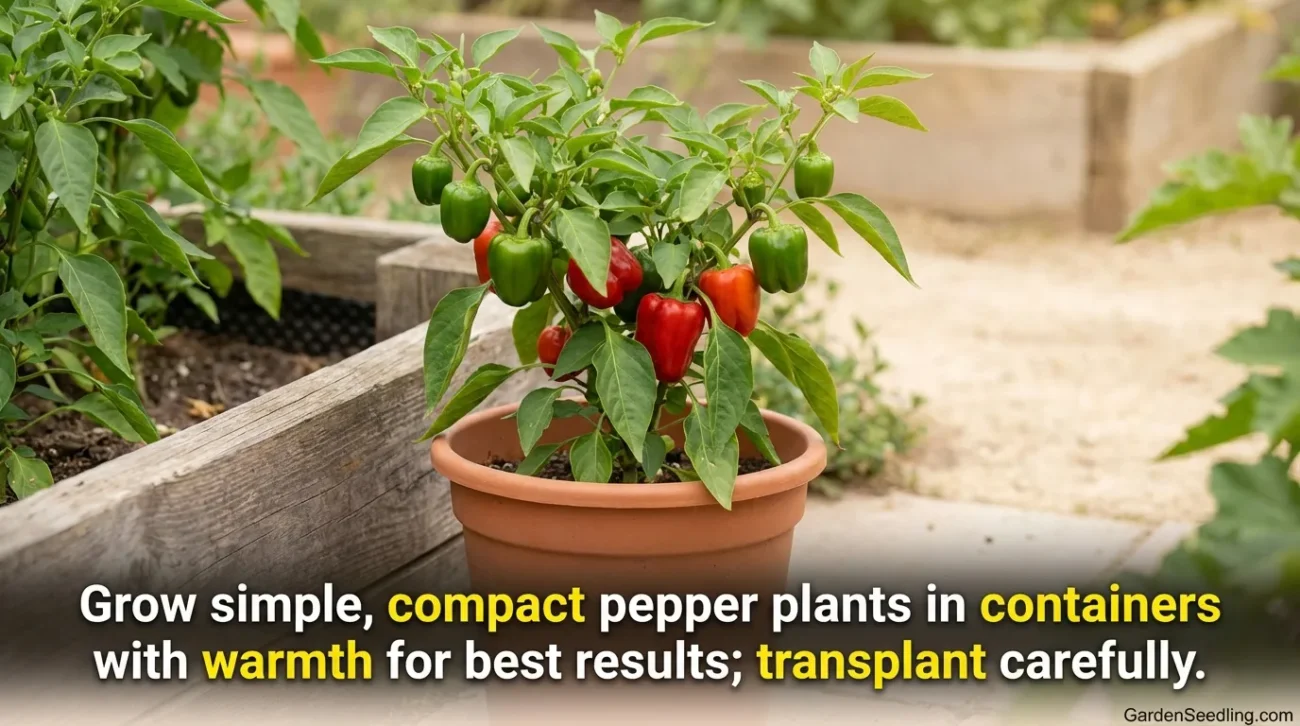
Peppers aren’t the fastest crop, but they’re fairly simple once established. They like warmth and consistent watering. Pick a compact variety if space is tight, and avoid overfeeding with nitrogen-heavy fertilizer, which can push leaves instead of fruit.
- Best for: containers or raised beds
- Grow method: transplant
- Space tip: grow one plant per container (3–5+ gallons)
Best Picks By Garden Type
If You’re Using Containers
Containers make small backyard gardening flexible, especially if your soil isn’t great. Focus on crops that stay compact and handle container moisture changes. Use containers with drainage holes and choose a potting mix made for vegetables to prevent waterlogging.
- Lettuce, spinach, Swiss chard
- Green onions, radishes
- Cherry tomatoes (large pot + support)
- Peppers (medium/large pot)
- Herbs like basil, parsley, cilantro
If You’re Using A Raised Bed
Raised beds are beginner-friendly because you control the soil and weeds are easier to manage. A 4×4 or 4×8 bed is plenty for starting out. Mix fast crops (radishes, lettuce) with longer crops (tomatoes, peppers) to maximize your harvest window.
- Bush beans, carrots, leafy greens
- One zucchini (or train it vertically)
- One or two tomato plants with cages
If You’re Planting In-Ground
In-ground beds can work very well, but take time to prep. Remove grass, loosen the soil, and add compost. Choose sturdy vegetables like bush beans and chard that can handle minor soil imperfections while your garden improves over time.
Comparison Table: Easy Vegetables For Small Backyards
| Vegetable | Typical Time To Harvest | Sun Needs | Space Level | Best Method | Beginner Notes |
|---|---|---|---|---|---|
| Lettuce | Fast | Full sun to part shade | Low | Direct sow or transplant | Harvest outer leaves for repeat picks |
| Spinach | Fast | Full sun to part shade | Low | Direct sow | Best in cooler seasons |
| Radishes | Very fast | Full sun | Very low | Direct sow | Great for quick success and spacing practice |
| Bush Beans | Medium | Full sun | Medium | Direct sow | No trellis needed, reliable producer |
| Cherry Tomatoes | Medium to long | Full sun | Medium | Transplant | Use a cage and water consistently |
| Zucchini | Medium | Full sun | High | Direct sow or transplant | One plant often supplies plenty |
| Green Onions | Fast | Full sun to part shade | Very low | Direct sow | Perfect for edges and containers |
| Carrots (Short Types) | Medium | Full sun | Low | Direct sow | Loose soil improves shape and growth |
| Swiss Chard | Medium | Full sun to part shade | Low to medium | Direct sow or transplant | Harvest outer leaves for long production |
| Peppers | Long | Full sun | Medium | Transplant | Slow start, steady results in warm weather |
Step-By-Step: A Simple Beginner Plan For A Small Backyard Vegetable Garden
- Pick 3–5 vegetables from the easy list above (more can wait).
- Choose a sunny location and measure the space you’ll actually use.
- Decide your setup: 1 raised bed, a small in-ground patch, or containers.
- Fill with quality soil and compost to support steady growth.
- Plant fast crops first (radishes, lettuce) and add warm-season crops after frost risk passes (beans, tomatoes, peppers).
- Water consistently and mulch the soil surface to reduce evaporation and weeds.
- Check plants twice a week for pests, dryness, or nutrient stress.
- Harvest often—regular picking keeps many vegetables producing longer.
Common Mistakes Beginners Make (And How To Avoid Them)
Planting Too Much At Once
More plants can mean more stress, especially when you’re learning watering and pest checks. Start small so you can stay consistent. You can always add more next season.
Underestimating Plant Size
Some vegetables look tiny as seedlings but quickly spread out. Zucchini, tomatoes, and even peppers need room for airflow. Give plants space to reduce disease and make harvesting easier.
Inconsistent Watering
Plants prefer a steady rhythm. Letting soil swing from very dry to soaking wet can lead to slow growth, bitter greens, and split fruit. Water when needed, and use mulch to smooth out moisture.
Skipping Support For Tomatoes
Tomatoes need support early. Waiting until they’re large can damage roots and stems. Set the cage or stake at planting time to prevent breakage.
Ignoring Timing For Cool-Season Crops
Lettuce and spinach grow best in cooler weather. When heat arrives, they may bolt. That’s normal—plant them earlier in spring or again in fall to improve results.
Practical Tips To Get Better Harvests In Less Space
- Grow vertically when possible (tomatoes on cages, zucchini on a trellis, beans on a short support if needed).
- Use the edges of beds for compact crops like green onions and herbs to save space.
- Plant in short successions: sow a small amount of lettuce or radishes every couple of weeks instead of all at once.
- Mulch with straw, shredded leaves, or untreated grass clippings (thin layer) to reduce weeds and stabilize moisture.
- Feed lightly and consistently. Too much fertilizer can cause leafy growth without harvest, especially in tomatoes and peppers.
FAQ
What Is The Easiest Vegetable To Grow In A Small Backyard?
Loose-leaf lettuce and radishes are among the easiest because they sprout quickly and grow well in small beds or containers.
How Much Sun Do Beginner Vegetables Need?
Most vegetables do best with 6–8 hours of sun, but leafy greens and green onions can still grow in part shade.
Can I Grow Vegetables If My Backyard Is Mostly Shade?
Yes. Focus on leafy greens, green onions, and shade-tolerant herbs, and expect slower growth than in full sun.
Should Beginners Start From Seed Or Buy Seedlings?
Do both. Direct-sow easy seeds like radishes and beans, and buy seedlings for tomatoes and peppers to simplify the process.
What Size Container Do I Need For Tomatoes And Peppers?
For best results, use at least a 5-gallon container for tomatoes and a 3–5+ gallon container for peppers, both with drainage holes.
Start with a small selection of these beginner-friendly crops, keep watering consistent, and prioritize healthy soil—your backyard garden will improve quickly as you learn what grows best in your exact space.