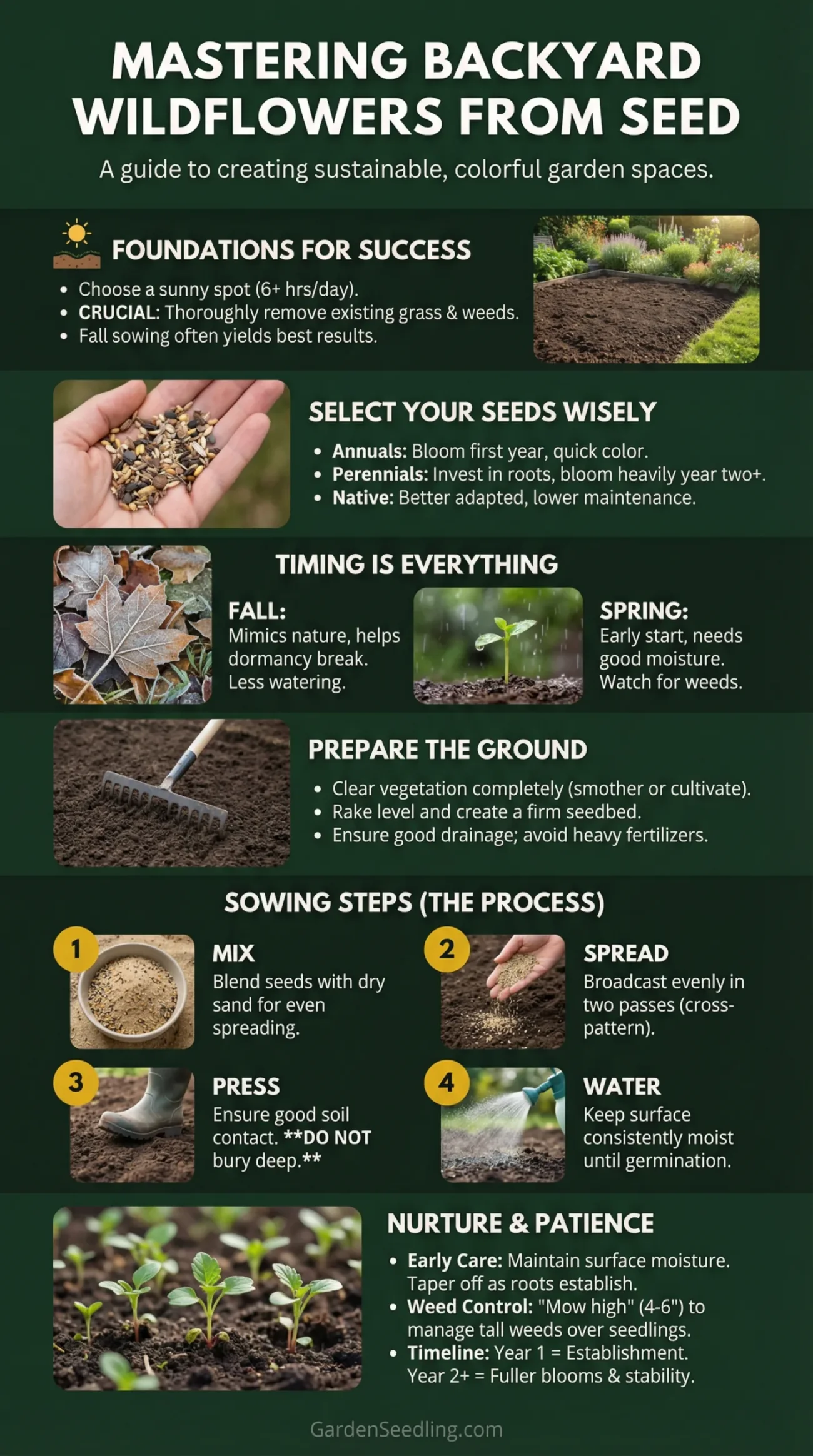
Learning how to grow wildflowers from seed in your backyard is one of the simplest ways to add color, support pollinators, and create a more natural-looking garden space. It can also save money compared to buying lots of nursery plants—especially if you want to cover a larger area.
- Quick Answer
- Choose The Right Wildflower Seeds
- Understand Annuals, Perennials, And Biennials
- Pick Native When Possible
- Read The Label Like A Planting Plan
- When To Plant Wildflower Seeds
- Fall Sowing
- Spring Sowing
- Pick And Prepare Your Site
- Sunlight And Drainage
- Decide How Big To Start
- Soil Preparation: The Part That Makes Or Breaks Results
- Remove Grass And Weeds First
- Rake, Level, And Firm The Seedbed
- Should You Add Compost Or Fertilizer?
- Step-By-Step: How To Sow Wildflower Seed In Your Backyard
- Watering And Early Care
- Weed Control And Maintenance
- Use “Mow High” In The First Year
- Hand Pulling And Spot Control
- What About Mulch?
- What To Expect: A Realistic Timeline
- Common Mistakes To Avoid
- Practical Tips For Better Blooms
- FAQ
- Do I Need To Till Before Planting Wildflower Seeds?
- How Deep Should I Plant Wildflower Seeds?
- Will Wildflowers Grow If I Scatter Seeds Over Grass?
- How Often Should I Water After Sowing?
- Why Are Weeds Taking Over My Wildflower Patch?
Wildflowers are not “plant and forget,” though. Most disappointing results come from a few fixable issues: poor site prep, planting at the wrong time, or letting weeds take over early. The good news is that once you set up the area correctly, a wildflower patch can become lower-maintenance and better looking each season.
Quick Answer
To grow wildflowers from seed in a backyard, choose a sunny spot, remove existing grass and weeds, scatter seed evenly (often mixed with sand), press it into the soil without burying it deeply, and keep the top layer consistently moist until seedlings are established. For many regions, fall sowing works best because it mimics nature and helps some seeds break dormancy.
- Best success factor: thorough weed and grass removal before you sow.
- Best planting window: fall in many climates; early spring also works with good watering.
- Biggest rookie mistake: sprinkling seed over lawn and hoping it “finds a way.”
Choose The Right Wildflower Seeds
Before you plant anything, decide what kind of wildflower area you want: a short seasonal show, a longer-lasting meadow-style patch, or a mix that evolves over time. The seed you choose should match your space, sunlight, and patience level.
Understand Annuals, Perennials, And Biennials
Annual wildflowers usually bloom the first year, often fast, and can look great for quick color. Perennials typically invest more energy into roots the first year and bloom more heavily in year two and beyond. Biennials often grow foliage the first year and flower the second.
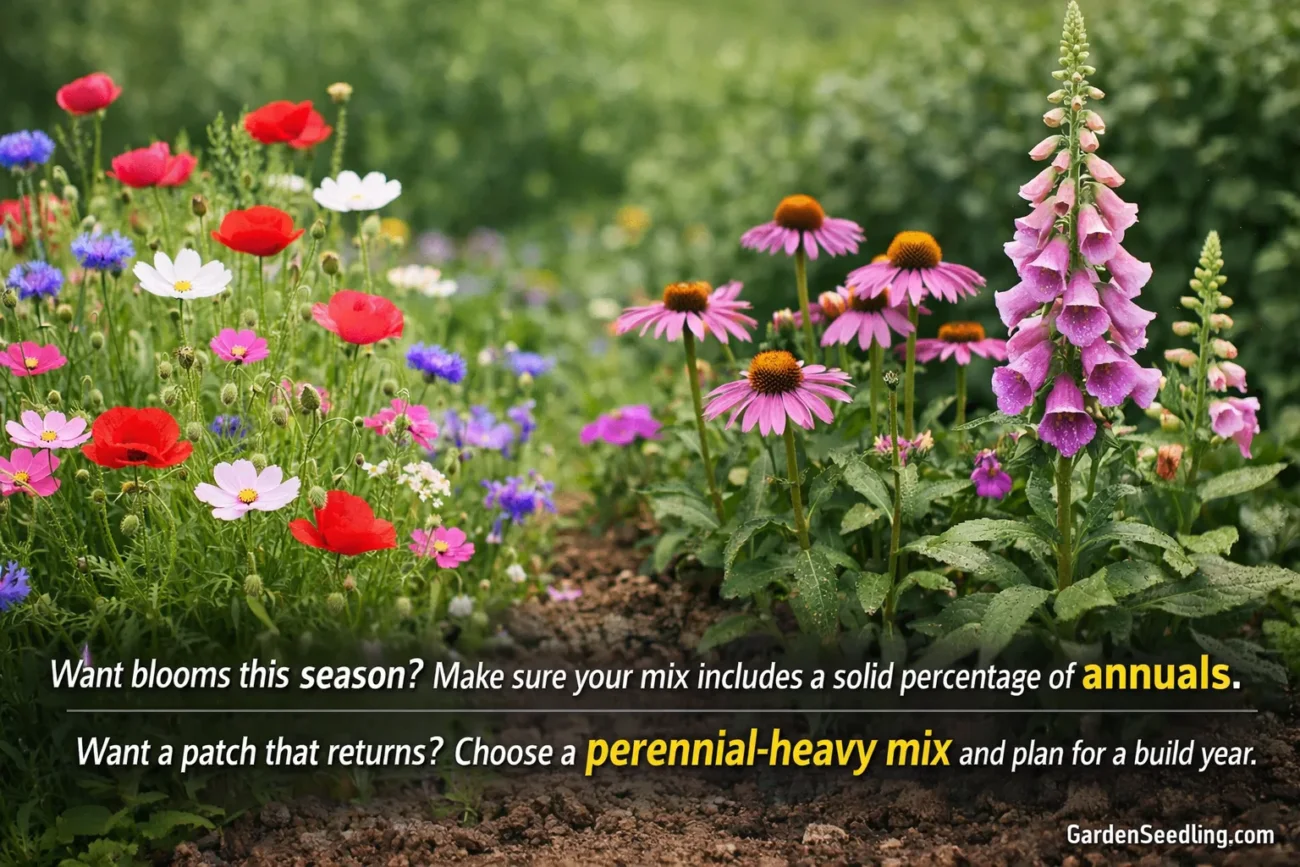
- Want blooms this season? Make sure your mix includes a solid percentage of annuals.
- Want a patch that returns? Choose a perennial-heavy mix and plan for a “build year.”
Pick Native When Possible
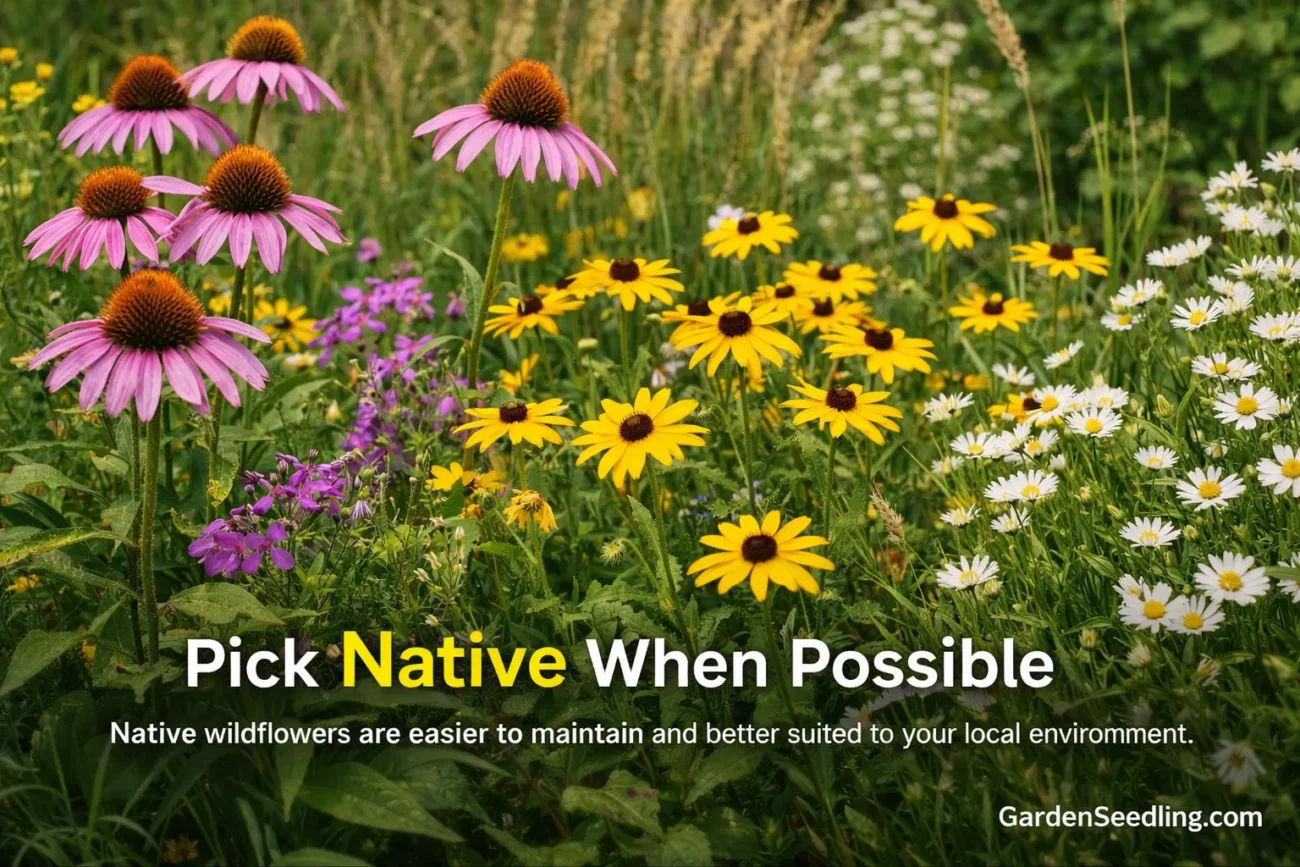
Native wildflowers are generally easier to maintain once established because they’re adapted to local weather patterns and seasonal rhythms. If you’re buying a mix, look for one that clearly matches your region rather than a generic “all-purpose” blend. A regional mix can help you avoid plants that struggle—or spread where they shouldn’t.
Read The Label Like A Planting Plan
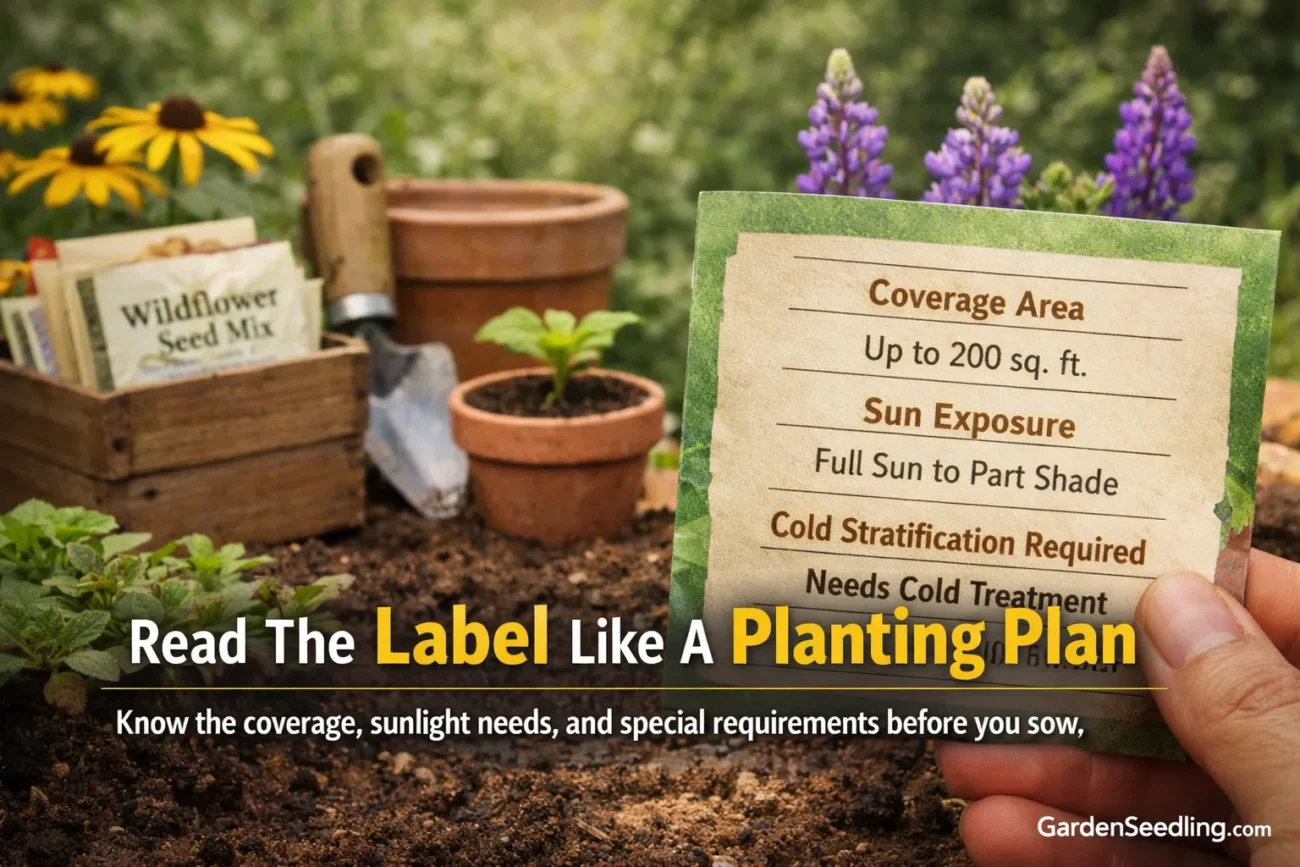
A good seed label should tell you the coverage area and whether the mix is meant for full sun, part shade, or specific soil conditions. It may also note if some species benefit from cold exposure (often called stratification). If the label is vague, treat the mix as an unknown and keep your expectations modest.
When To Plant Wildflower Seeds
Timing matters because wildflower seeds have different dormancy triggers. In many U.S. areas, sowing when temperatures and moisture patterns match natural cycles can improve germination and reduce stress on young seedlings.
Fall Sowing
Fall planting often works well because winter moisture and cold can help certain seeds wake up naturally. You also avoid the hottest summer period during the early seedling stage. In many climates, sow after the first light frosts or when daytime heat has eased, but before the ground is frozen solid.
Spring Sowing
Spring planting is a good option if you missed fall or if winters are extremely harsh. The tradeoff is that you may need to water more, especially if spring turns dry quickly. Aim for early spring once the worst freezes are passing and the soil is workable.
| Planting Time | Pros | Cons | Best For |
|---|---|---|---|
| Fall | Natural cold/moisture helps some seeds; less watering | Slower visible progress until spring | Perennial mixes, meadow-style plantings |
| Early Spring | Faster feedback; easier to monitor germination | Often needs more watering; weeds may compete sooner | Small patches, beginner projects, annual-heavy mixes |
Pick And Prepare Your Site
Wildflowers can be flexible, but they still need the basics: enough light, decent drainage, and a spot where you can maintain the area without constant foot traffic. The more sunlight you can provide, the better your bloom potential.
Sunlight And Drainage
Most wildflowers want 6+ hours of sun per day. A few tolerate part shade, but many “shade mixes” still prefer bright light. Check drainage by watering the area and watching how long puddles stay. If water sits for hours, choose a different location or improve drainage before sowing.
Decide How Big To Start
If this is your first time, start with a manageable area you can prep well—because site prep is where results are won. A smaller, properly prepared patch will usually look better than a large area where grass and weeds were never fully removed.
Soil Preparation: The Part That Makes Or Breaks Results
Wildflower seeds need direct contact with soil to sprout. If you scatter seed over thick grass, leaf litter, or heavy thatch, most of it will dry out, blow away, or get eaten. A clean seedbed is the most reliable shortcut to success.
Remove Grass And Weeds First
Choose a method that fits your timeline and how “organic” you want the process to be. The goal is to remove or kill existing vegetation and reduce the weed seed bank at the surface.
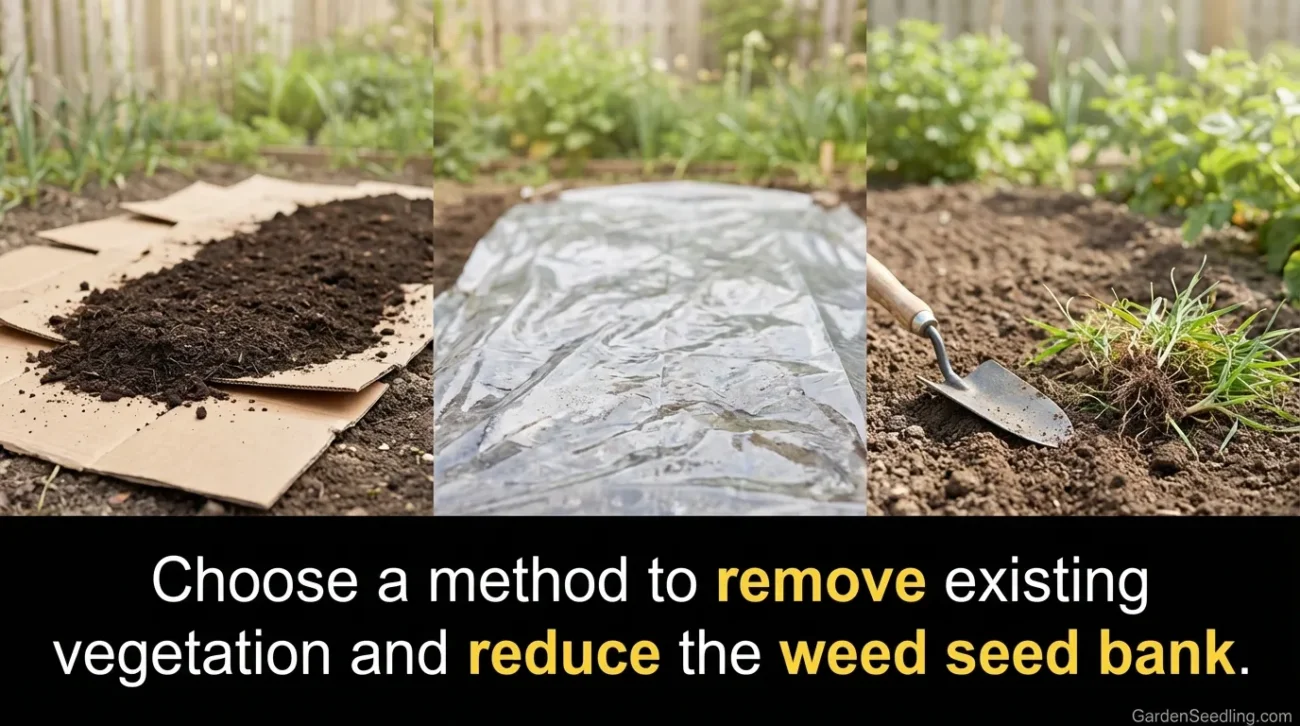
- Smothering: Cover the area with cardboard (overlapping seams) and a thin layer of compost or mulch on top. Leave it in place long enough for grass to die back. This is slow but very low-effort.
- Solarization: Stretch clear plastic tightly over moist soil during hot weather. Heat builds up and weakens many weeds. Timing depends on climate and season.
- Shallow cultivation: Remove sod or lightly till the top layer, then rake out roots and debris. This is faster but can bring buried weed seeds to the surface.
If you’re not sure which to choose, use a method you can complete thoroughly—because incomplete removal usually leads to a patch that becomes mostly weeds.
Rake, Level, And Firm The Seedbed
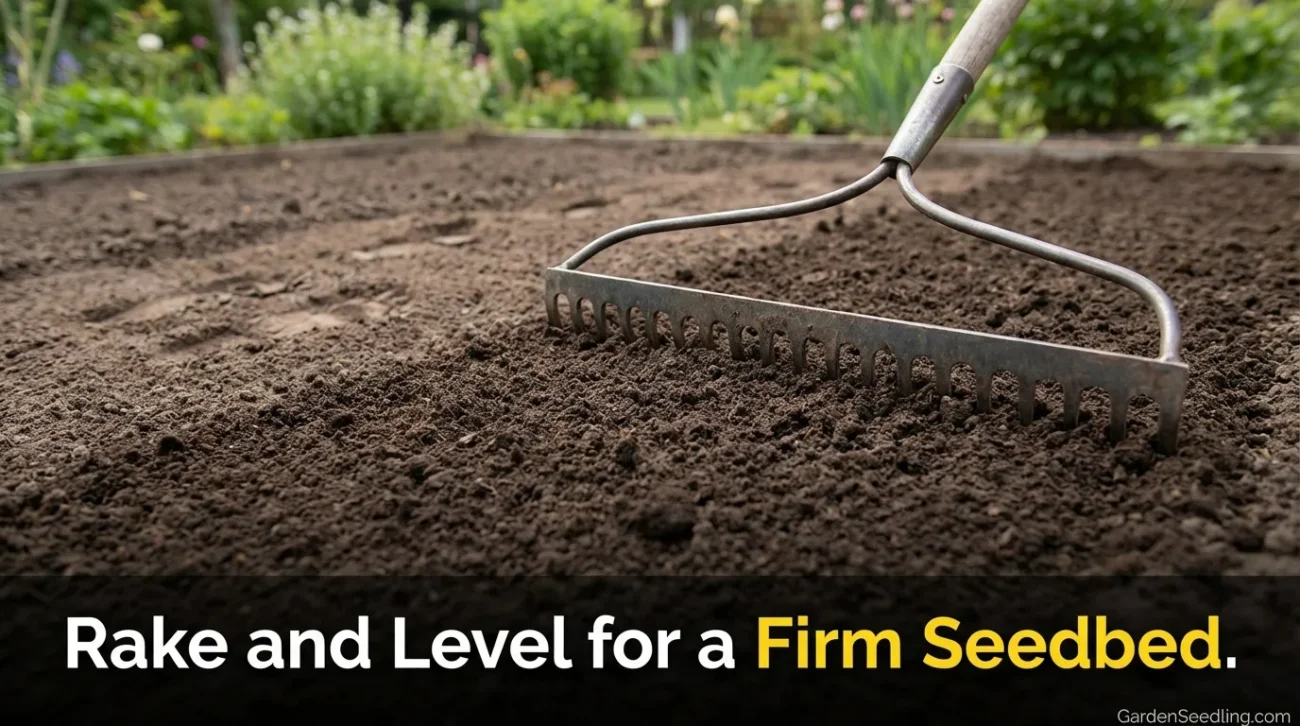
After vegetation is removed, rake the soil so the surface is fairly even and crumbly. Then lightly tamp or walk over it so it’s firm enough that footprints are shallow. A firm seedbed helps prevent seeds from sinking too deep after watering or rain.
Should You Add Compost Or Fertilizer?
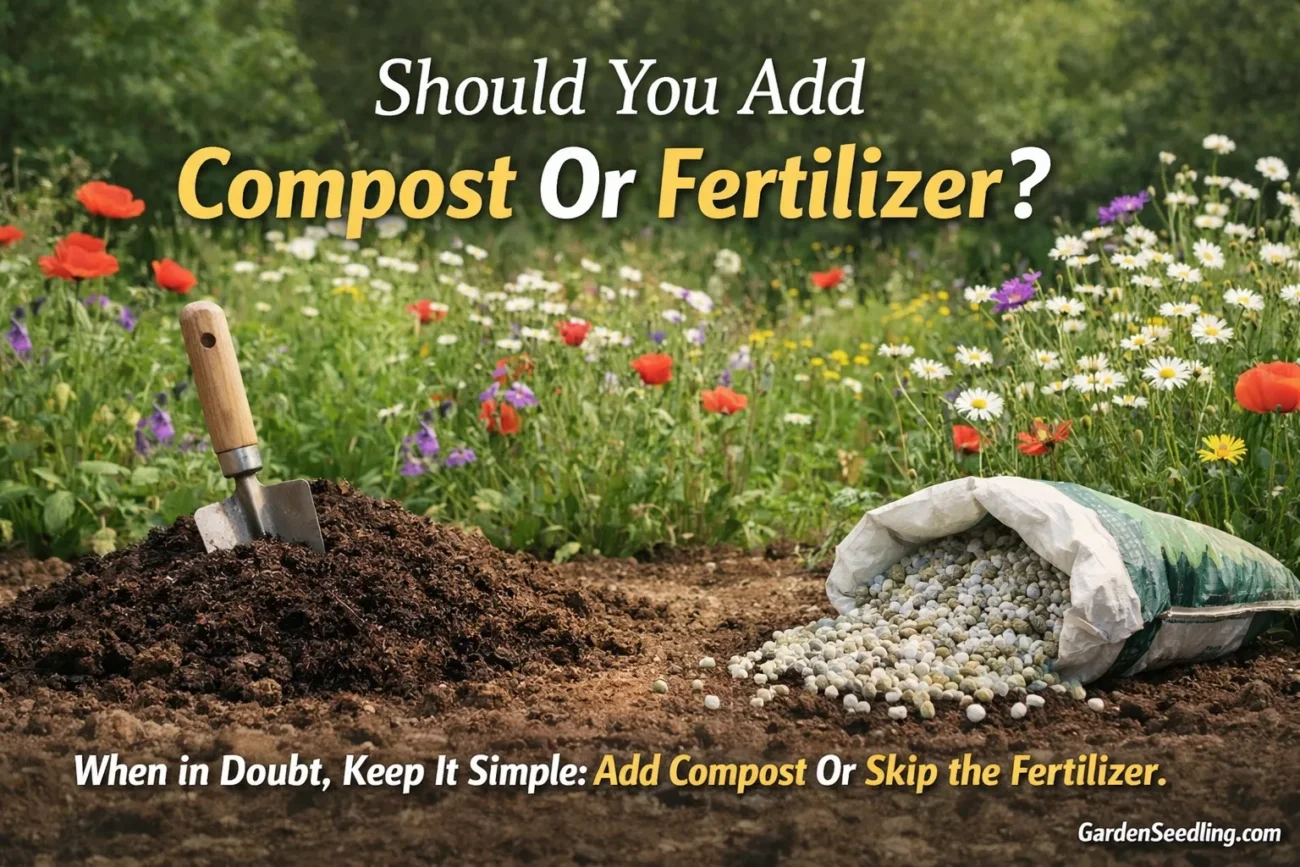
In many cases, wildflowers do better in soil that isn’t overly rich. High nitrogen can push lots of leafy growth and help aggressive weeds outcompete young wildflowers. If your soil is extremely sandy or lifeless, a thin top dressing of compost can help with moisture management, but avoid heavy fertilizing. When in doubt, keep it simple.
Step-By-Step: How To Sow Wildflower Seed In Your Backyard
Once your site is prepped, planting is straightforward. The key is even distribution and good soil contact without burying seed too deeply.
- Measure your area so you can apply the correct amount of seed. Over-seeding can cause crowding and weaker plants.
- Mix seed with dry sand (or fine, dry soil) to help spread it evenly. A common approach is several parts sand to one part seed by volume.
- Divide the mix in half and broadcast one half walking north-to-south, then the other half east-to-west. This reduces bare streaks.
- Press seed into the soil using a lawn roller, a wide board you step on, or simply walking over the area. You want contact, not depth.
- Cover lightly only if needed. Most wildflower seeds prefer light. If you cover, use a very thin layer of clean straw or sifted compost—just enough to reduce drying and erosion.
- Water gently so the surface is moist but not washed out. A soft spray or mist setting helps prevent seed from moving.
Watering And Early Care
The first few weeks are the most sensitive. Your goal is steady moisture in the top layer of soil while seeds germinate. Depending on weather, you may need to water lightly once or twice a day at first, then taper as seedlings root in.
Once seedlings are a few inches tall, shift toward deeper, less frequent watering. This encourages stronger roots and better drought tolerance. In hot stretches, a wildflower patch still benefits from an occasional deep soak, especially in its first season.
Weed Control And Maintenance
Weeds are normal in a new planting. The difference between a messy patch and a thriving wildflower area is how you manage weeds early—without accidentally removing your flowers.
Use “Mow High” In The First Year
If weeds surge above your seedlings, mowing can help. Set the mower high (often around 4–6 inches) and mow just the tops of fast-growing weeds. This reduces weed shading and gives wildflowers time to catch up. It sounds counterintuitive, but a careful, high mow can be a beginner-friendly tool.
Hand Pulling And Spot Control
Pull obvious aggressive weeds before they set seed, especially near the edges where weeds often creep in. Try to pull after rain or watering, when soil is softer. Focus on the worst offenders first; you don’t need perfection for a good-looking patch.
What About Mulch?
Traditional mulch is tricky with wildflower seeds because it can block germination. A very light layer of clean straw can help reduce erosion and drying, but heavy mulching usually works against you. After plants are established, leaving stems and seedheads over winter can help protect soil and support beneficial insects.
What To Expect: A Realistic Timeline
Wildflowers don’t always look “finished” right away. Many mixes are designed to develop over time, and the first year may include more green growth than blooms—especially with perennial species.
- Weeks 1–4: germination begins; seedlings are small and easy to mistake for weeds.
- Months 1–3: young plants fill in; annuals may start blooming if conditions are right.
- Year 2 and beyond: perennials bloom more heavily; the patch often looks fuller and more stable.
One helpful mindset is to treat year one as establishment, year two as improvement, and year three as maturity—especially if you planted a perennial-focused mix.
Common Mistakes To Avoid
- Skipping site prep: grass and weeds will usually win if they’re left in place.
- Burying seed too deep: many wildflower seeds need light; pressing in is better than covering.
- Overwatering with a hard spray: it can wash seed into piles or bare spots.
- Using rich fertilizer: it can feed weeds and reduce flowering in some species.
- Expecting instant meadow results: perennial mixes often need time to build roots.
- Letting weeds set seed: one neglected season can create years of extra weeding.
Practical Tips For Better Blooms
- Edge the area with a clean border to make it look intentional and reduce grass creep.
- Label your planting so you remember where seedlings should appear and don’t accidentally disturb the site.
- Thin crowded spots if seedlings come up too dense; better airflow can reduce disease pressure.
- Leave some seedheads at the end of the season to encourage reseeding and feed birds.
- Re-seed lightly in thin areas the next fall to improve coverage without restarting everything.
If you keep the soil surface open, manage weeds early, and stay consistent with moisture during germination, you’ll be surprised how quickly a backyard can shift from plain to pollinator-friendly and colorful.
FAQ
Do I Need To Till Before Planting Wildflower Seeds?
Not always. You can succeed without tilling if you fully remove or smother existing grass and create a clean, firm seedbed. Tilling can be faster, but it may bring up new weed seeds.
How Deep Should I Plant Wildflower Seeds?
Most wildflower seeds should be pressed into the soil surface, not buried. If you cover at all, keep it extremely light so seeds still get some light.
Will Wildflowers Grow If I Scatter Seeds Over Grass?
Usually not well. Seed-to-soil contact is poor, and grass competes hard for water and nutrients. For reliable results, remove grass first.
How Often Should I Water After Sowing?
Keep the top layer of soil consistently moist until germination and early growth are underway. After seedlings establish, water less often but more deeply.
Why Are Weeds Taking Over My Wildflower Patch?
Common causes are incomplete site prep, rich soil that favors weeds, and letting weeds set seed early. High mowing and targeted pulling can help the patch recover.