Tender spring growth pulls pests in fast. One warm week, a little extra moisture, a flush of soft new leaves—and suddenly you notice chewed brassicas, collapsed seedlings, sticky aphid clusters, or ragged lettuce that looked fine two days earlier. That is usually how it starts. If you are dealing with spring garden pests naturally, the best move is not to wait for a full-blown problem. Catch them early, use barriers early, and keep your plants growing steadily so they can outpace light damage.
- Why Spring Pests Show Up So Fast
- Start With A Five-Minute Weekly Check
- Natural Controls That Usually Work First
- Use Barriers Before Damage Starts
- Hand Removal Still Works
- Water Smarter, Not More
- Keep The Garden A Little Cleaner
- Do Not Push Soft Growth With Too Much Nitrogen
- How To Handle Common Spring Garden Pests Naturally
- Aphids
- Slugs And Snails
- Cutworms
- Flea Beetles
- Cabbage Worms And Other Brassica Caterpillars
- Cucumber Beetles And Squash Bugs
- Natural Spray Options And When To Use Them
- Plants And Flowers That Help The Garden Help Itself
- Common Mistakes That Make Spring Pest Problems Worse
- A Simple Spring Pest Plan For Beginners
- FAQ
- What Is The Best Natural Pest Control For A Spring Vegetable Garden?
- Can I Use Neem Oil On Spring Vegetables?
- When Should I Remove Row Covers?
- Is Bt Safe For Natural Gardening?
- Why Do Aphids Keep Coming Back After I Spray Water On Them?
- What Helps Most With Slugs In Spring?
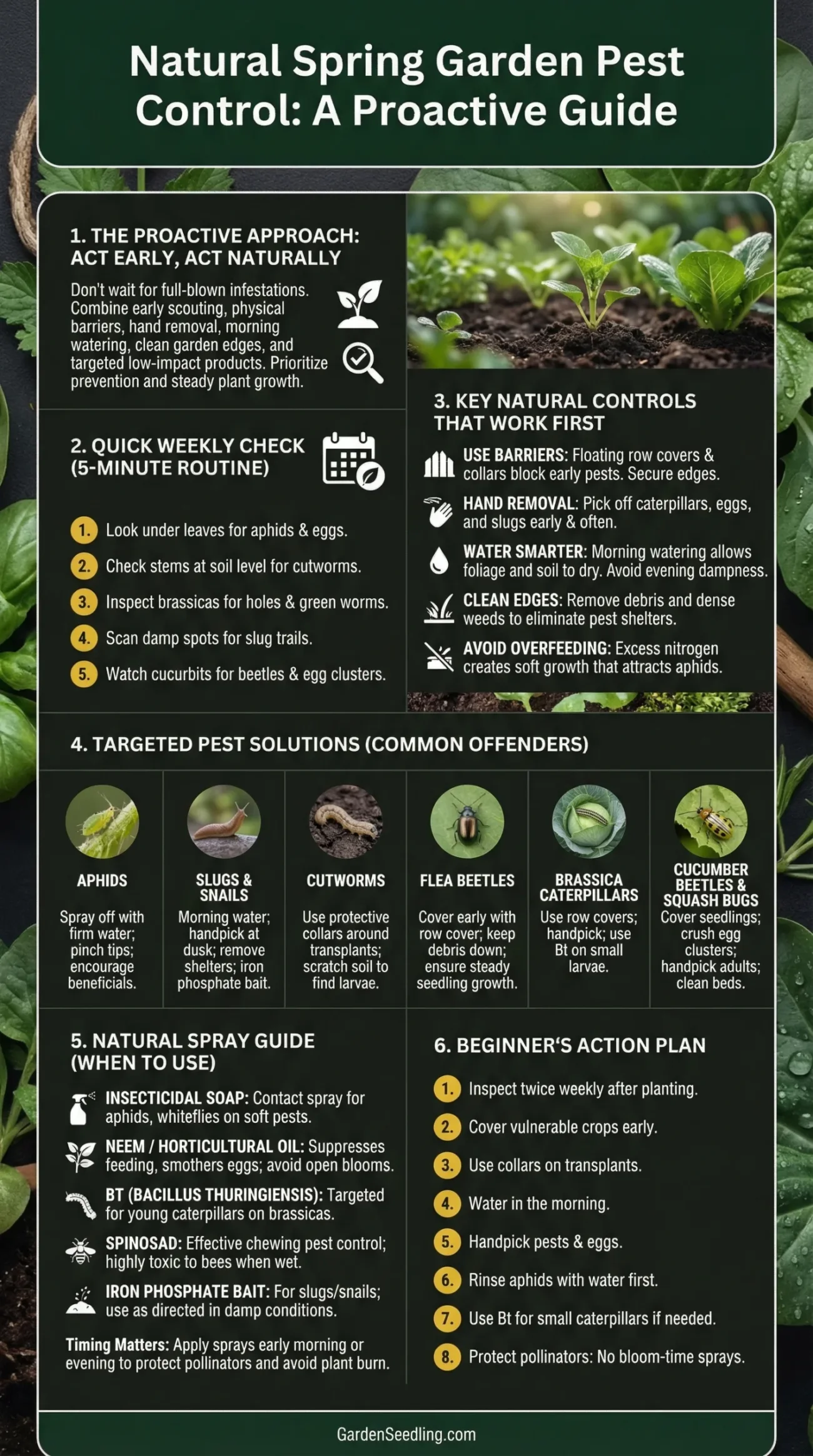
Quick Answer: The best natural way to manage spring garden pests is to combine early scouting, physical barriers like row covers and collars, hand removal, morning watering, clean garden edges, and targeted low-impact products only when simple methods stop being enough. In most home gardens, that works better than jumping straight to sprays. Usually, much better.
Why Spring Pests Show Up So Fast
Spring gardens offer exactly what many pests want: soft tissue, crowded seedlings, cool damp hiding spots, and young plants that do not have much leaf area to spare. A mature kale plant can lose a few leaves and keep moving. A new transplant cannot. That is why early-season feeding always feels a little rude.
It also helps to remember this: not every insect in the garden is a problem. Lady beetle larvae, lacewing larvae, hover fly larvae, ground beetles, and tiny parasitic wasps all help bring pest numbers down. If you treat every bug like an enemy, you often make the garden less stable and end up with more pest pressure a week or two later.
So the goal is not a perfectly untouched garden. It is a garden where pest numbers stay low enough that plants keep growing and harvest quality stays good.
Start With A Five-Minute Weekly Check
Do this once or twice a week in spring. More often after warm rain.
- Look under leaves for aphids, eggs, and tiny caterpillars.
- Check stems at soil level for cutworm damage on seedlings.
- Inspect brassicas for small holes, green worms, and frass (the little dark droppings gardeners learn to hate).
- Scan damp spots for slug trails, especially around lettuce, hostas, and mulch-heavy beds.
- Watch cucurbits early for beetles, wilted seedlings, and clusters of bronze or copper-colored eggs under leaves.
- Notice the pattern. Random holes usually mean chewing pests. Sticky leaves and curled tips often point to aphids or other sap feeders.
That last point matters. When you know how the plant is being damaged, the fix gets much easier.
Natural Controls That Usually Work First
Use Barriers Before Damage Starts
Floating row covers are one of the most useful spring tools in a vegetable garden. They block many early pests before those pests ever reach the plant. They also help young crops settle in during cool, windy weather.
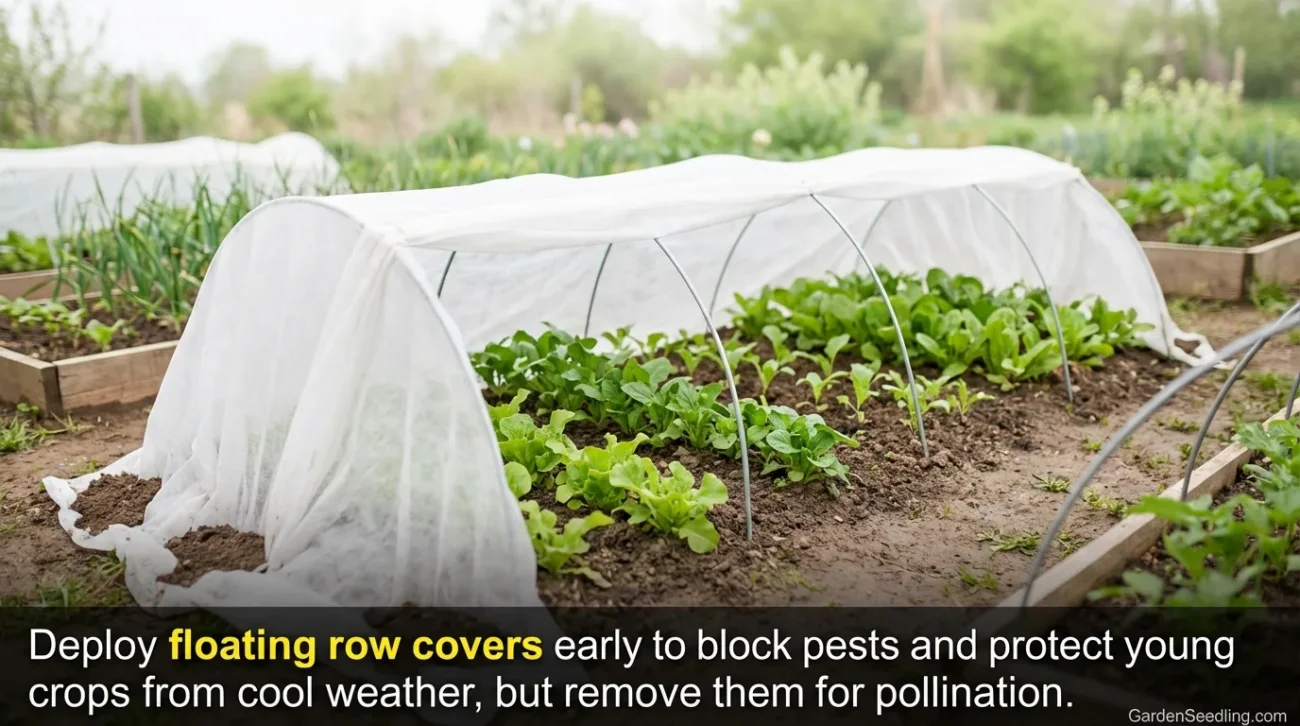
Use them over brassicas, eggplant, young greens, and new cucurbit seedlings. Secure the edges well. Loose edges ruin the whole idea. For taller or more delicate plants, support the fabric with hoops so it does not rub the leaves.
There is one catch—an important one. Remove covers when crops that need pollination begin to flower, especially squash, melons, and cucumbers. Keep them on forever and you solve one problem while creating another.
Hand Removal Still Works
It sounds almost too simple, but hand-picking is still one of the most effective natural controls for many spring pests. Cabbage worms, squash bug eggs, Colorado potato beetle eggs and larvae, and slugs are all much easier to manage when numbers are low.
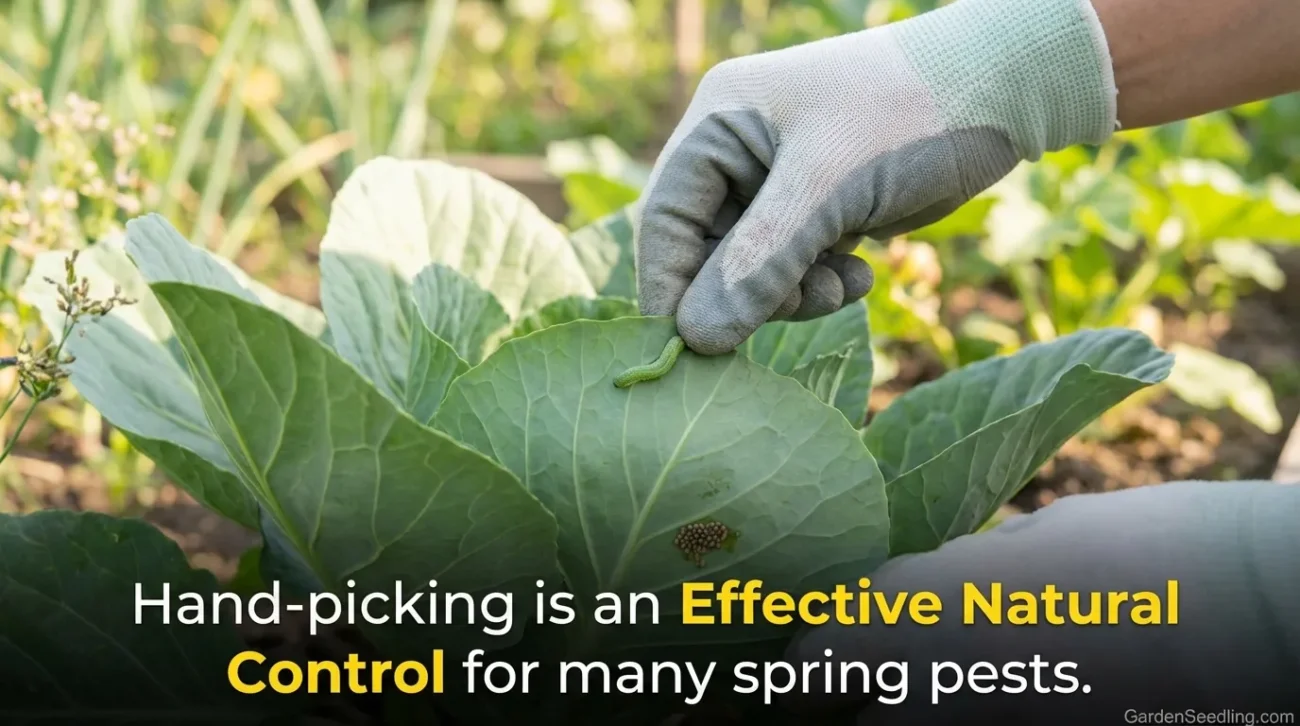
Do it early. Do it often. A two-minute pass with a small bucket of soapy water beats a much bigger cleanup later.
Water Smarter, Not More
Morning watering helps in two ways. It supports steady plant growth, and it makes the garden less friendly to slugs and some disease problems by letting foliage and the soil surface dry more through the day. Evening irrigation, especially in dense beds, tends to stretch out the damp window that slugs love.
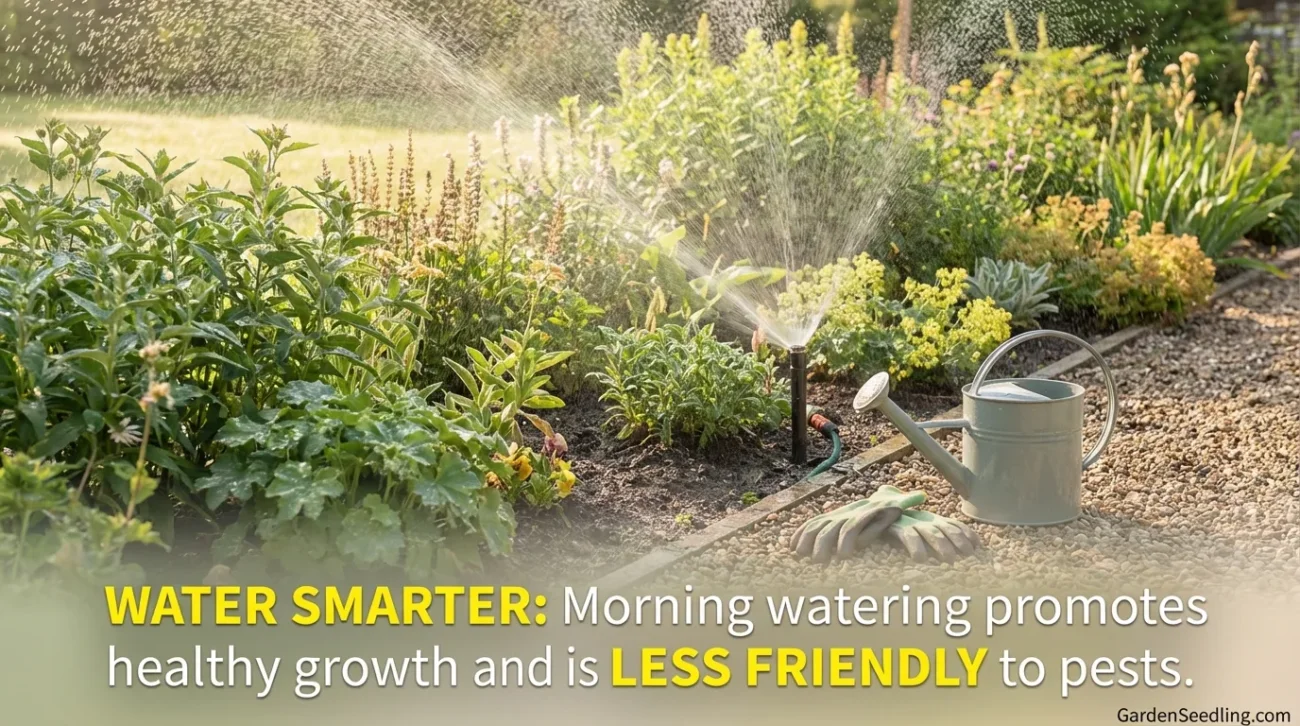
For aphids, a firm spray of water can knock them off soft growth. Not a gentle mist. A real rinse. Repeat every few days if needed, and aim especially at leaf undersides and crowded new tips.
Keep The Garden A Little Cleaner
Spring gardens do not need to look stripped bare, but piles of old debris, boards, weeds, and dense wet clutter near beds give pests shelter. Slugs hide there. Flea beetles and other insects can overwinter around messy edges. A quick cleanup around vulnerable crops goes a long way.
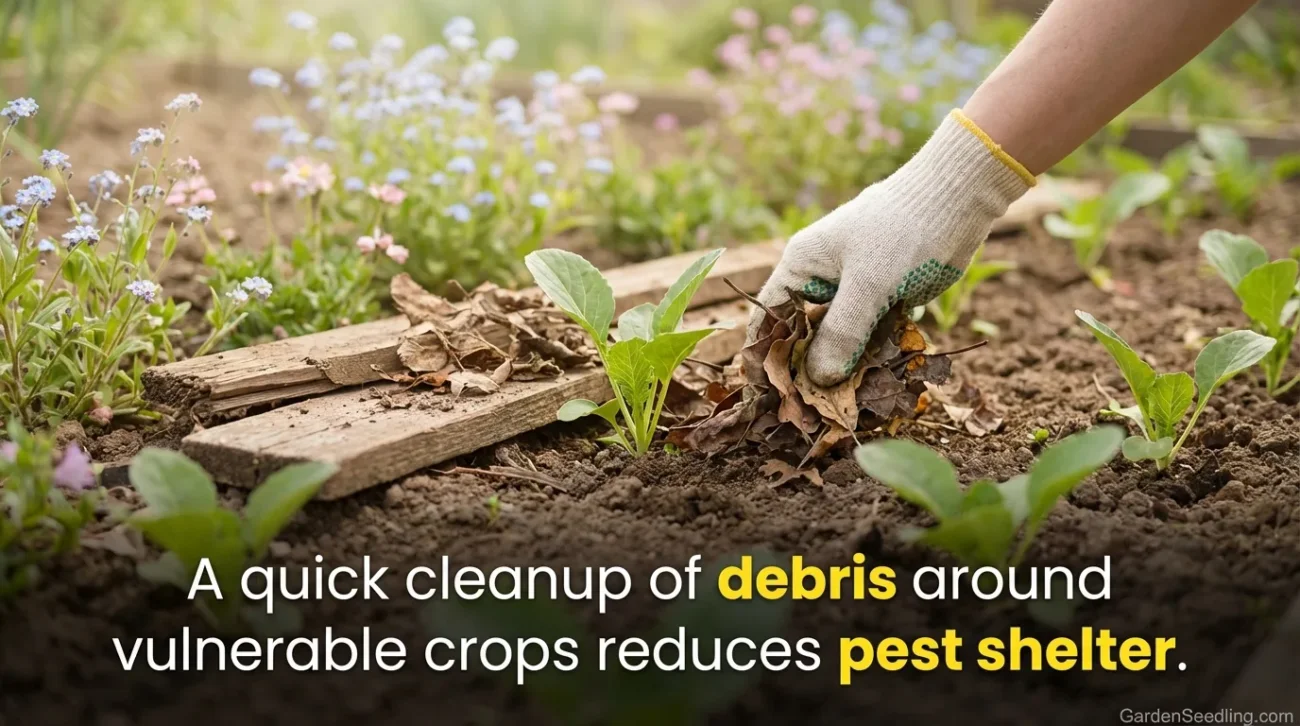
Not perfectly tidy. Just less pest-friendly.
Do Not Push Soft Growth With Too Much Nitrogen
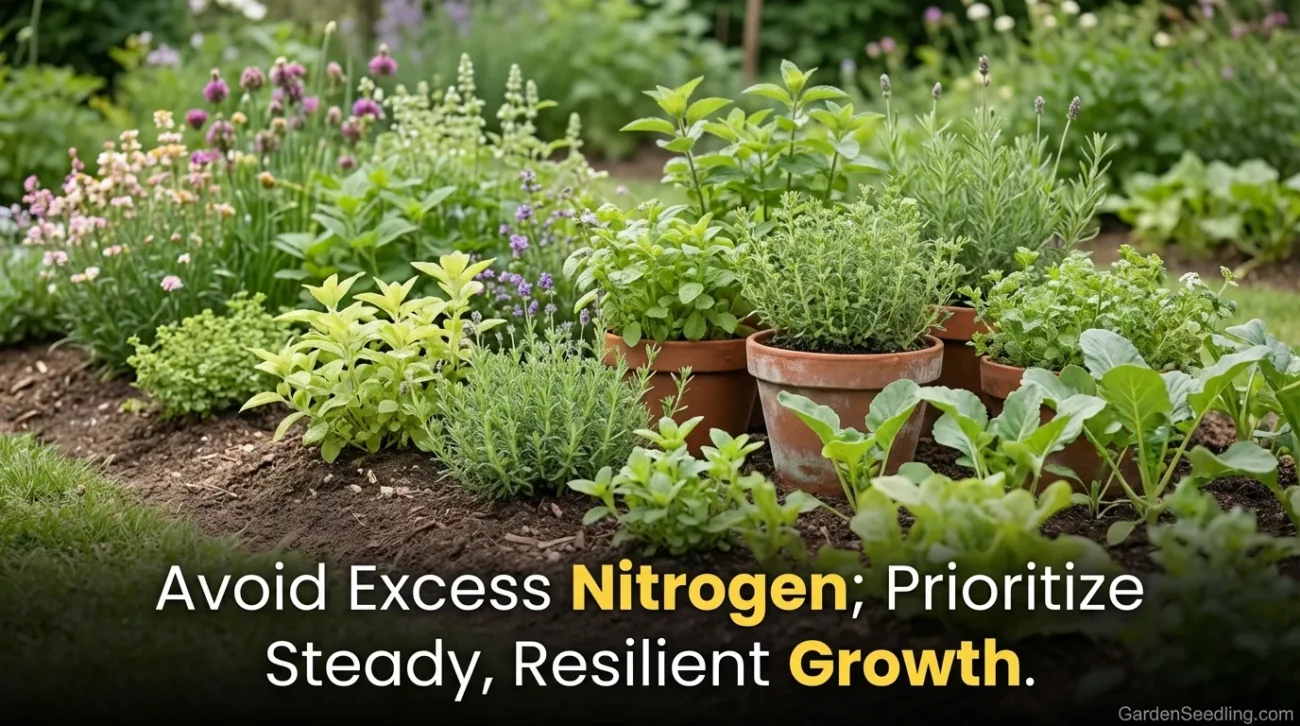
Heavy feeding can produce lush, tender growth that aphids love. Fast, soft growth also makes plants more vulnerable in that awkward early stage when roots are still settling in. Feed enough to keep plants moving, but do not chase dark green, overfed growth just because it looks impressive for a week.
How To Handle Common Spring Garden Pests Naturally
Aphids
Aphids gather on tender stems, new leaves, and buds. You may see leaf curl, sticky honeydew, or ants moving around the colony. Small populations are often cleaned up by beneficial insects if you do not interfere too soon.
Best natural moves:
- Spray colonies off with water.
- Pinch off badly infested tips if the plant can spare them.
- Encourage hover flies, lacewings, and lady beetles with simple flowering plants nearby.
- Avoid broad, routine insecticide use that kills natural enemies too.
- Use insecticidal soap only if the colony keeps building.
With aphids, patience helps. Blind spraying usually does not.
Slugs And Snails
Slugs hit hardest in cool, damp spring weather. You will usually see shredded leaves, smooth-edged holes, and shiny slime trails on soil, mulch, or boards.
Best natural moves:
- Water in the morning, not late evening.
- Remove shelters near beds—boards, dense weeds, overturned pots, soggy debris.
- Handpick at dusk or after dark with a flashlight.
- Protect tender seedlings with collars where damage is heavy.
- Use iron phosphate bait if hand control and cleanup are not enough.
Iron phosphate is often the lower-impact bait gardeners reach for, but it still needs label-following and sensible use. “Natural” does not mean careless. That part matters.
Cutworms
When a seedling looks neatly clipped at the soil line, cutworms are near the top of the suspect list. They feed at night and hide in soil or debris during the day, which is why the plant looks attacked but the pest seems missing.
Best natural moves:
- Place a cardboard, foil, or thin plastic collar around each transplant.
- Push the collar slightly into the soil and leave it a few inches above ground.
- Scratch around damaged seedlings during the day to find and remove larvae.
- Use row covers over newly planted beds where cutworms are a repeat issue.
This is one of those fixes that feels almost old-fashioned, because it is. Still works.
Flea Beetles
Flea beetles make tiny shot holes in leaves and can wreck young eggplant, arugula, radish, and brassica seedlings fast. Mature plants sometimes grow past the damage. Seedlings often cannot.
Best natural moves:
- Cover crops early with row cover or insect netting.
- Keep garden debris down to reduce overwintering sites.
- Help seedlings grow quickly with steady moisture and spacing.
- Use kaolin clay or a targeted organic product only if pressure stays high.
For flea beetles, timing is almost everything. Once plants are riddled early, recovery can be slow.
Cabbage Worms And Other Brassica Caterpillars
Broccoli, cabbage, kale, Brussels sprouts, and cauliflower often attract spring caterpillars. The earliest signs are small irregular holes, green frass, and eggs on the leaf underside.
Best natural moves:
- Use row covers to prevent egg-laying.
- Handpick worms and eggs.
- Use Bacillus thuringiensis var. kurstaki (Bt) when caterpillars are still small.
- Repeat as needed after label-directed intervals.
Bt works best when young caterpillars actually eat it. So spray early, not after the leaves are already lacework.
Cucumber Beetles And Squash Bugs
These pests show up early on cucumbers, squash, melons, and pumpkins. Cucumber beetles chew leaves and can spread disease. Squash bugs start with eggs on leaf undersides, then nymphs gather in groups and feed on stems and leaves.
Best natural moves:
- Cover seedlings with row cover right after planting.
- Remove covers when flowering starts so pollination can happen.
- Inspect leaf undersides and crush egg clusters.
- Handpick adults and nymphs when populations are still low.
- Keep older crop residue out of the bed after harvest.
Miss the first round, and these pests get much harder to bring back down.
Natural Spray Options And When To Use Them
Sprays can help, but they are not the first move for every problem. Use them when you have identified the pest, simpler methods are falling short, and the plant actually needs help.
| Product | Best For | How It Helps | Watch Out For |
|---|---|---|---|
| Insecticidal Soap | Aphids, whiteflies, some soft-bodied pests | Works on contact and fits small, early infestations | Must hit the pest directly; can burn foliage if used in hot sun or on sensitive plants |
| Neem Or Horticultural Oil | Some soft-bodied pests, light infestations | Can suppress feeding and smother exposed pests | Use at cool times of day; test a small section first; avoid spraying open blooms |
| Bt (Btk) | Young caterpillars on brassicas and similar crops | Very targeted when used on the right pest at the right stage | Does not help with beetles, aphids, or slugs; older caterpillars are harder to control |
| Spinosad | Some chewing pests when other methods are not enough | Can be very effective on certain insects | Can harm bees and beneficials when wet; do not spray blooming plants |
| Iron Phosphate Bait | Slugs and snails | Useful in damp springs when other controls are not keeping up | Use only as directed and store securely |
Spray timing matters more than many gardeners think. Apply products when the air is cooler, the sun is low, and pollinators are not working the bed. Early morning or evening usually makes the most sense.
Plants And Flowers That Help The Garden Help Itself
You do not need a separate “beneficial insect border,” though that is nice if you have room. Even small patches of simple flowers tucked near vegetables can help support predators and pollinators.
- Sweet alyssum near lettuce, brassicas, and herbs
- Dill and fennel for hover flies and other helpful insects
- Yarrow, cosmos, zinnias, and coreopsis for nectar and pollen through the season
- Marigolds and nasturtiums as easy fillers in beginner gardens
The point is not magic plant pairing. It is food and shelter. Small flowers, open flowers, staggered bloom times—that setup helps beneficial insects stay in the garden longer instead of just passing through.
Common Mistakes That Make Spring Pest Problems Worse
- Waiting too long to check plants. Small pest numbers are easy to handle. Big ones are not.
- Using sprays before identifying the pest. Wrong product, wrong timing, wasted effort.
- Leaving row covers on flowering cucurbits. Great exclusion, poor pollination.
- Watering late in the day. Slugs appreciate it. Your lettuce, not so much.
- Overfeeding with nitrogen. Soft growth can bring more aphids.
- Trying to remove every insect. A garden with no insect life is not the goal, and it is not realistic anyway.
- Spraying blooming plants. That can hit bees and helpful insects at exactly the wrong moment.
A Simple Spring Pest Plan For Beginners
If you want the practical version, use this order:
- Inspect twice a week once seedlings and transplants are in the ground.
- Cover vulnerable crops early with row cover or netting.
- Use collars on tomatoes, peppers, brassicas, and other transplants where cutworms show up.
- Water in the morning and keep mulch from piling right against tiny stems.
- Handpick pests and eggs before numbers build.
- Rinse aphids with water before reaching for soap.
- Use Bt for small caterpillars and iron phosphate for slugs only when needed.
- Protect pollinators by avoiding bloom-time sprays.
That is the rhythm. It is not fancy, but it is dependable.
FAQ
What Is The Best Natural Pest Control For A Spring Vegetable Garden?
The best approach is a mix of row covers, hand removal, morning watering, regular scouting, and targeted low-impact products only when simple controls are not enough.
Can I Use Neem Oil On Spring Vegetables?
Yes, but use it carefully. Spray at cool times of day, avoid open flowers, follow the label, and test a small area first because some plants can react poorly.
When Should I Remove Row Covers?
Remove them when crops need pollination or when heat starts building under the cover. For squash, melons, and cucumbers, that usually means once flowering begins.
Is Bt Safe For Natural Gardening?
Bt is widely used in low-spray and organic-style gardens because it targets caterpillars well when they are small. It only works if the caterpillar eats it.
Why Do Aphids Keep Coming Back After I Spray Water On Them?
Because new aphids can hatch or move in again. Repeat the rinse, check for ants, avoid overfeeding with nitrogen, and give beneficial insects time to catch up.
What Helps Most With Slugs In Spring?
Morning watering, removing damp hiding places, handpicking at dusk, and iron phosphate bait when pressure stays high usually give the best results.
Spring pest control gets easier once you stop treating it like a one-time fix. Watch closely, act early, and stay gentle when you can. The garden usually responds well to that—messy in spots, sure, but steady and productive.
{
“@context”: “https://schema.org”,
“@type”: “FAQPage”,
“mainEntity”: [
{
“@type”: “Question”,
“name”: “What Is The Best Natural Pest Control For A Spring Vegetable Garden?”,
“acceptedAnswer”: {
“@type”: “Answer”,
“text”: “The best approach is a mix of row covers, hand removal, morning watering, regular scouting, and targeted low-impact products only when simple controls are not enough.”
}
},
{
“@type”: “Question”,
“name”: “Can I Use Neem Oil On Spring Vegetables?”,
“acceptedAnswer”: {
“@type”: “Answer”,
“text”: “Yes, but use it carefully. Spray at cool times of day, avoid open flowers, follow the label, and test a small area first because some plants can react poorly.”
}
},
{
“@type”: “Question”,
“name”: “When Should I Remove Row Covers?”,
“acceptedAnswer”: {
“@type”: “Answer”,
“text”: “Remove them when crops need pollination or when heat starts building under the cover. For squash, melons, and cucumbers, that usually means once flowering begins.”
}
},
{
“@type”: “Question”,
“name”: “Is Bt Safe For Natural Gardening?”,
“acceptedAnswer”: {
“@type”: “Answer”,
“text”: “Bt is widely used in low-spray and organic-style gardens because it targets caterpillars well when they are small. It only works if the caterpillar eats it.”
}
},
{
“@type”: “Question”,
“name”: “Why Do Aphids Keep Coming Back After I Spray Water On Them?”,
“acceptedAnswer”: {
“@type”: “Answer”,
“text”: “Because new aphids can hatch or move in again. Repeat the rinse, check for ants, avoid overfeeding with nitrogen, and give beneficial insects time to catch up.”
}
},
{
“@type”: “Question”,
“name”: “What Helps Most With Slugs In Spring?”,
“acceptedAnswer”: {
“@type”: “Answer”,
“text”: “Morning watering, removing damp hiding places, handpicking at dusk, and iron phosphate bait when pressure stays high usually give the best results.”
}
}
]
}